1. Low Water Pressure Throughout the House
Contents
- 1 1. Low Water Pressure Throughout the House
- 2 2. Running Toilets and Faucet Leaks
- 3 3. Water Heater Performance Issues
- 4 4. Kitchen Drain and Garbage Disposal Problems
- 5 5. Outdoor Plumbing and Irrigation Issues
- 6 6. Hard Water and Mineral Buildup
- 7 7. Bathroom Fixture Leaks and Valve Failures
- 8 When to DIY and When to Call a Plumber
- 9 What to Look for in a Milton Plumber
- 10 Schedule Plumbing Service in Milton
- 11 Frequently Asked Questions
Low water pressure is one of the most frequent complaints from Milton homeowners. Several factors make this area more prone to pressure issues than a typical Metro Atlanta neighborhood.
Well water systems. A significant number of Milton properties rely on private wells rather than Fulton County municipal water. Well pump age, tank bladder failure, and declining well yield all directly affect pressure. A pump that was sized correctly when the home was built may struggle after 10 to 15 years of service.
Long supply runs. Larger lots mean the distance from the water main (or well) to the farthest fixture in the house is considerably longer. Every additional foot of pipe introduces friction loss, and the effect compounds in homes with multiple stories.
Mineral buildup in pipes. Homes on well water are especially susceptible to calcium and mineral deposits narrowing the interior of supply lines over time. Even homes on municipal water in the Crabapple and Birmingham Crossroads neighborhoods can develop buildup after 15 to 20 years.
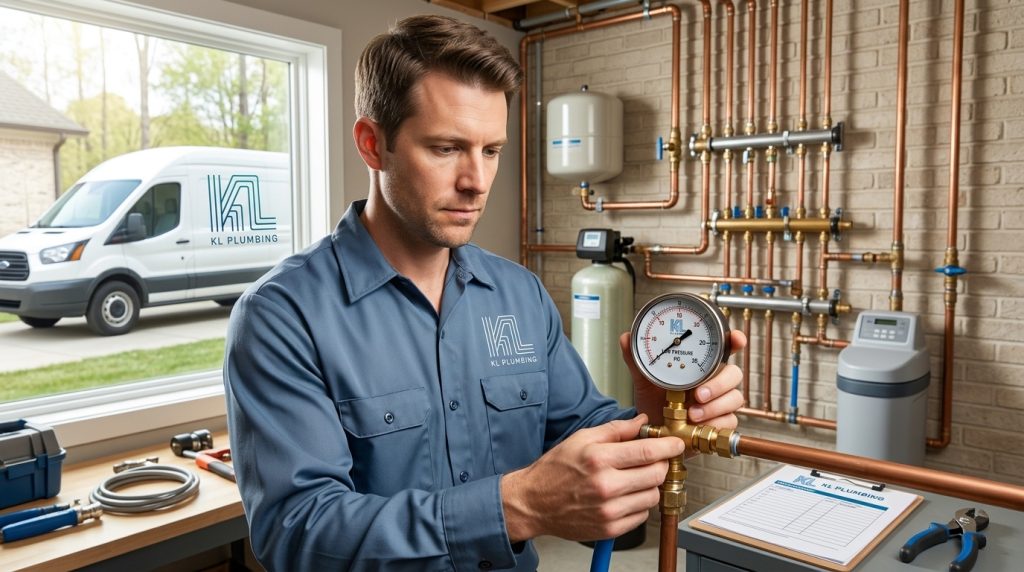
What to do: Start by checking the pressure at your hose bib with a gauge (available at any hardware store). Normal residential pressure is 40 to 60 PSI. If the reading is below 40, contact a plumber. The fix could be as simple as adjusting the pressure regulator, or it may require a well pump replacement or supply line repair.
2. Running Toilets and Faucet Leaks
A single running toilet can waste 200 gallons of water per day. In Milton homes with three, four, or five bathrooms, fixtures in guest bathrooms or bonus room half-baths sometimes run for weeks before anyone notices.
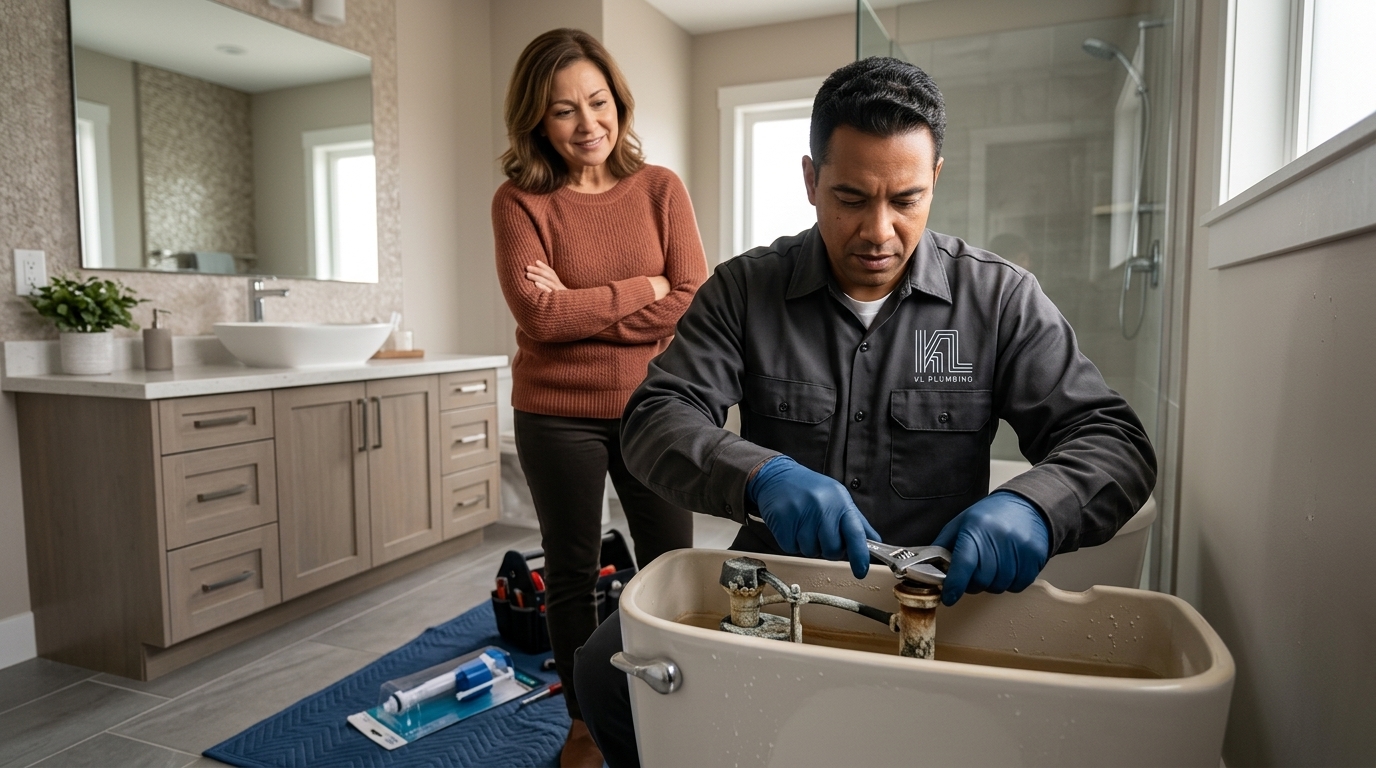
Flappers and fill valves. The flapper inside your toilet tank is a rubber seal that deteriorates over time. When it no longer seats properly, water continuously leaks from the tank into the bowl. Fill valves also wear out and can fail to shut off completely, causing the toilet to cycle on and off.
Faucet cartridge and valve wear. Higher-end fixtures found in many Milton homes use ceramic disc cartridges or thermostatic mixing valves. These are more durable than standard compression valves, but they still wear out, especially in hard water areas. A dripping faucet at one drip per second wastes roughly 3,000 gallons per year.
Why it matters beyond the water bill. In addition to the cost, a slow leak under a sink or behind a wall can cause mold growth and structural damage. Homes in The Manor Golf and Country Club area and other Milton neighborhoods with high property values need proactive leak management to protect both the home and its resale value.

3. Water Heater Performance Issues
Milton’s larger homes place heavy demands on water heating systems. A 40-gallon tank that works fine in a 1,500 square foot home will not keep up when three showers, a dishwasher, and a washing machine run within the same hour.
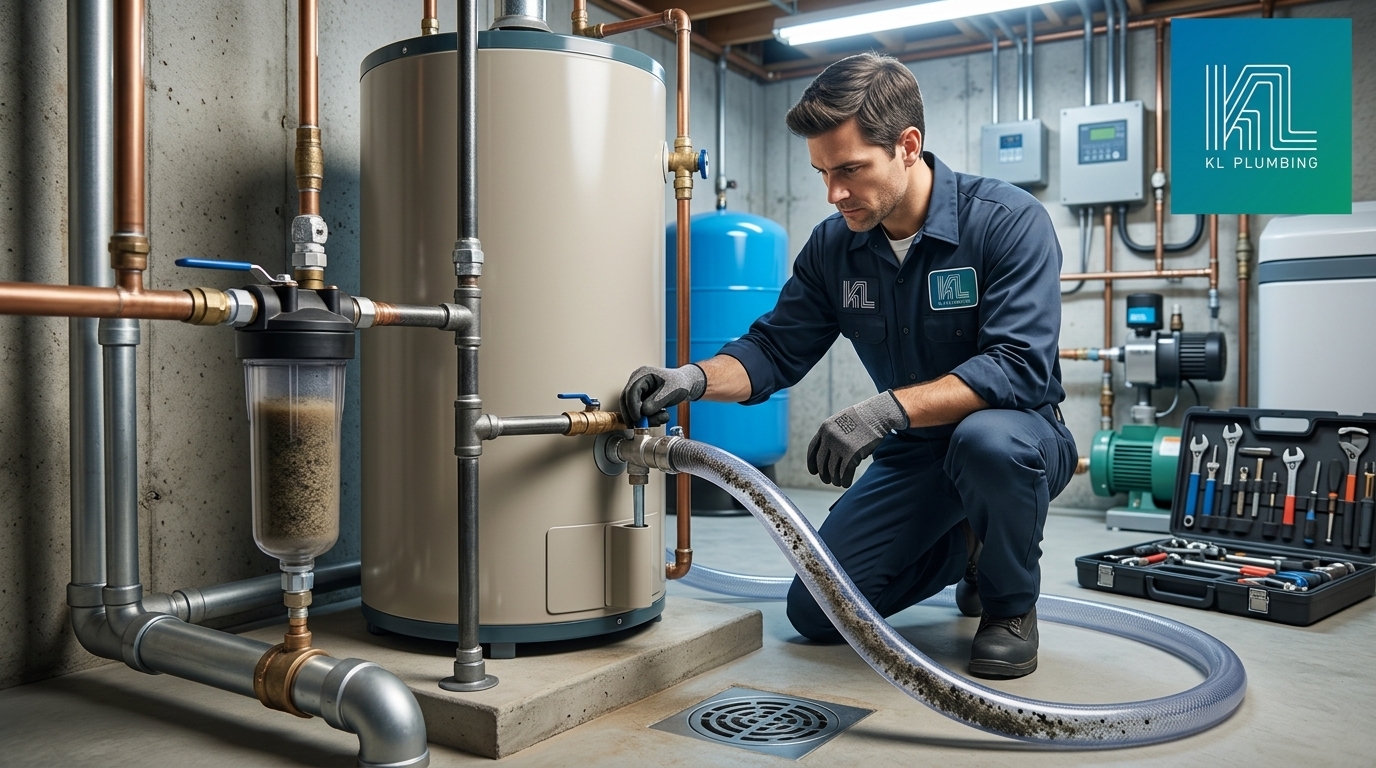
Signs of a struggling water heater include lukewarm water during peak usage, longer recovery times between hot water draws, and inconsistent temperature from one fixture to another. Homes on well water face an additional challenge: sediment and mineral buildup inside the tank accelerates wear on the heating elements and reduces usable capacity.
If your household regularly runs out of hot water, the issue may be undersizing rather than a failing unit. A plumber can assess your peak demand and recommend the right capacity. For a detailed comparison of tank versus tankless options, see our guide to the best water heater brands in 2026.
K L Plumbing provides full water heater repair and installation services across Milton and North Fulton County.
4. Kitchen Drain and Garbage Disposal Problems
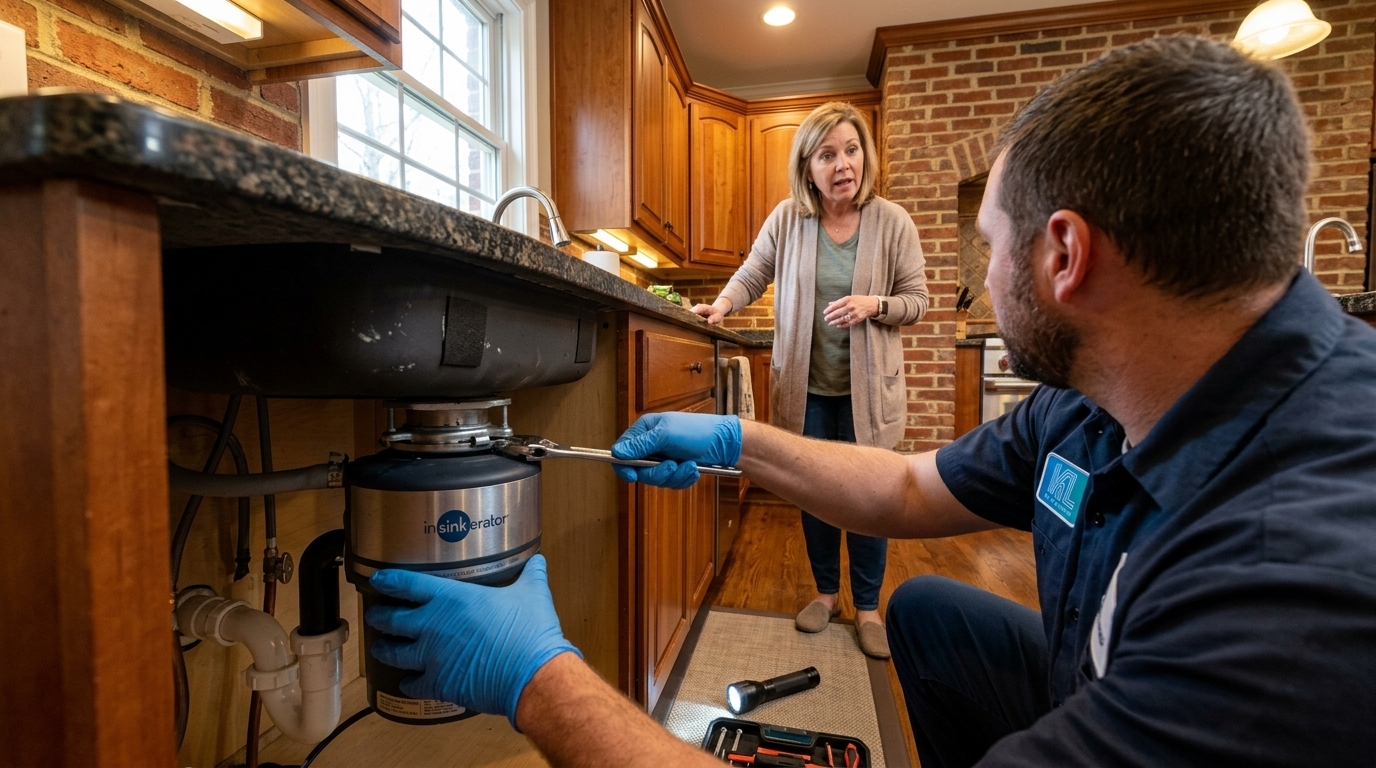
Kitchen drains are the most frequently clogged fixture in any home, and Milton is no exception. Grease buildup is the primary cause. Cooking oil, butter, and animal fat coat the inside of the drainpipe, harden as they cool, and trap food particles that narrow the pipe over time.
Garbage disposal jams. Disposals handle soft food waste effectively, but fibrous items (celery, corn husks, artichoke leaves) wrap around the blades and stall the motor. Starchy foods like pasta and rice expand with water and create paste-like blockages.
Prevention tips that actually work:
- Never pour grease down the drain. Let it cool, scrape it into the trash, and wipe the pan with a paper towel before washing.
- Run cold water for 15 seconds before and after using the disposal. Cold water solidifies grease so the disposal can chop it, and the flush carries debris through the line.
- Cut large items into smaller pieces before feeding them into the disposal.
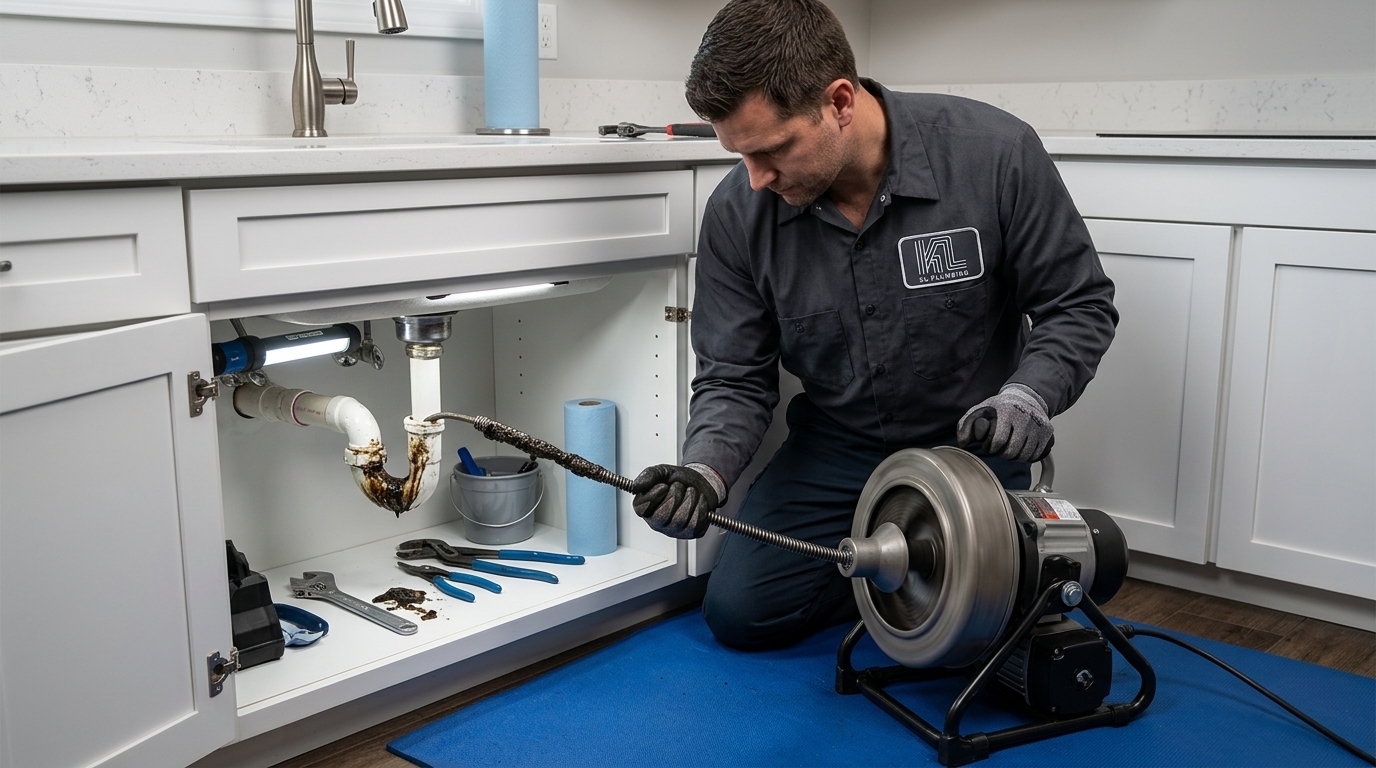
If your kitchen drain is slow despite good habits, the buildup may be deeper in the line. Professional drain cleaning with a motorized auger or hydro jetting clears what household remedies cannot reach.
5. Outdoor Plumbing and Irrigation Issues
Milton’s larger properties often have more extensive outdoor plumbing than homes in denser suburbs. Irrigation systems, outdoor kitchens, pool equipment, and hose bibs on multiple sides of the house all expand the potential for problems.
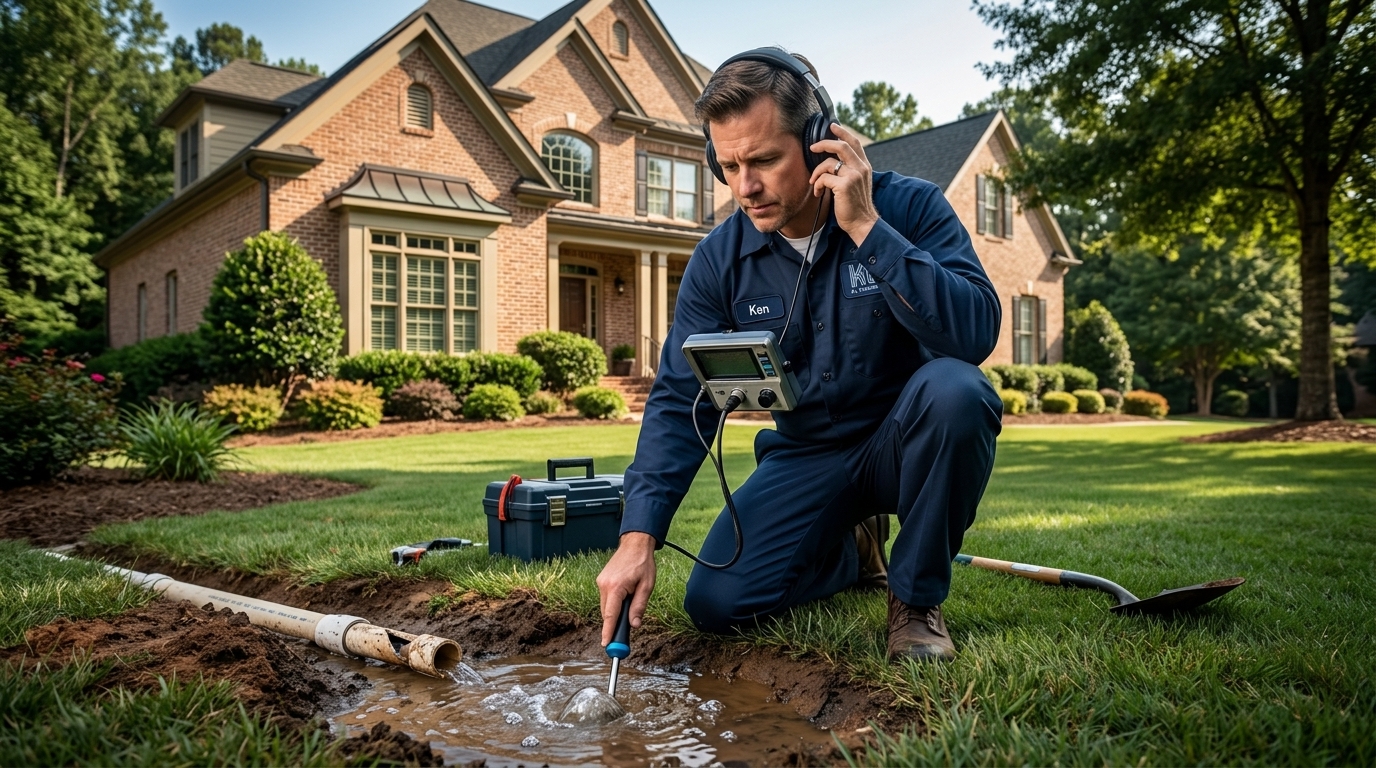
Irrigation leaks. Underground sprinkler lines develop leaks at joints and fittings. The first sign is usually an unexplained spike in your water bill or a persistently wet area in the yard.
Freeze damage to hose bibs and outdoor pipes. North Georgia winters occasionally dip below freezing for several consecutive days. Outdoor faucets that are not frost-proof and irrigation lines that were not properly winterized are vulnerable to cracking.
Backflow preventer failures. Fulton County requires backflow preventers on irrigation systems to keep non-potable water from contaminating the drinking water supply. These valves need periodic testing and occasionally fail, causing water to pool near the device or triggering a county notice.
6. Hard Water and Mineral Buildup
Hard water is especially common in Milton’s rural pockets where homes run on well water, but even some areas served by municipal water have moderately hard water that causes problems over time.
Visible signs of hard water: White or chalky deposits on faucets and showerheads, spots on dishes and glassware after washing, soap that does not lather well, and stiff laundry.
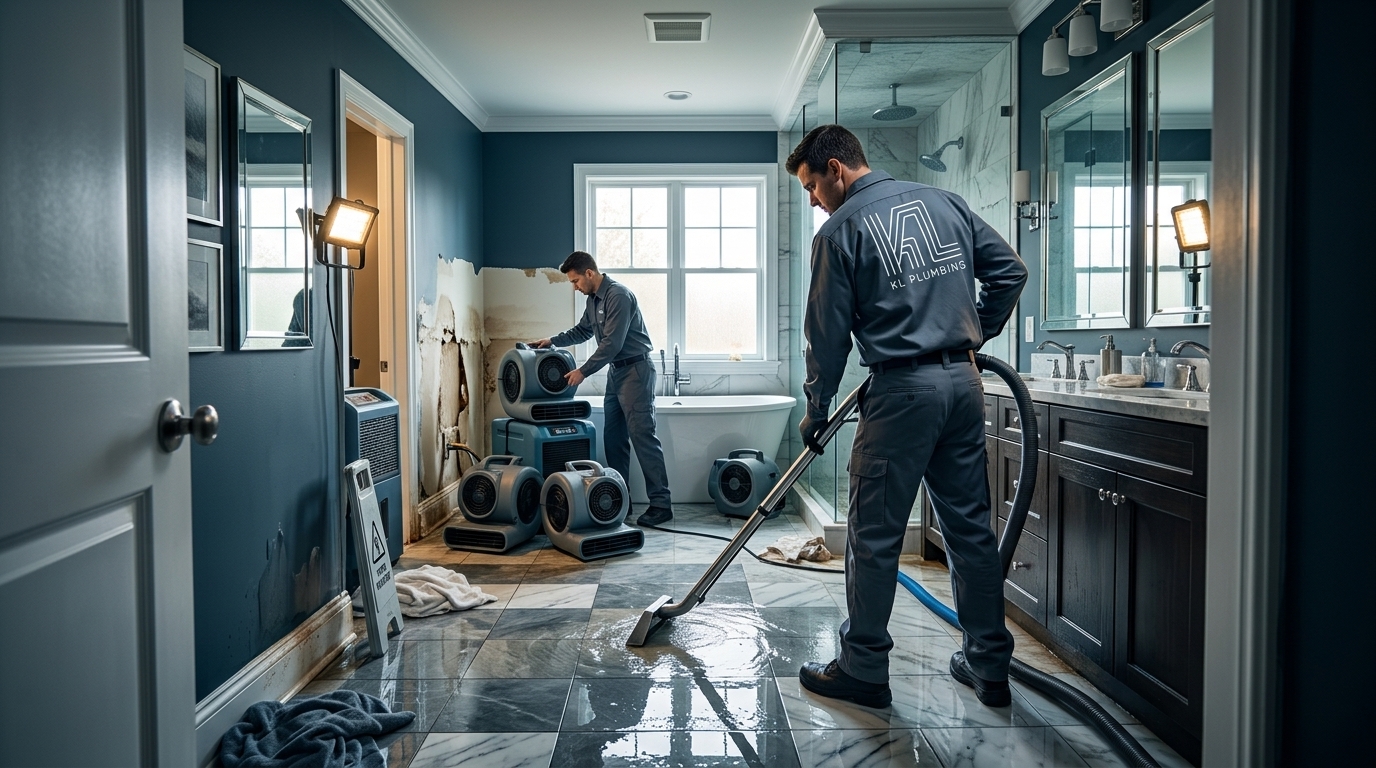
Hidden damage: Inside your pipes, water heater, and appliances, mineral deposits accumulate gradually. This buildup restricts water flow, reduces water heater efficiency, and shortens the lifespan of dishwashers and washing machines.
The fix: A whole-house water softener or water conditioning system addresses hard water at the source. For homes on well water, a plumber can test your water quality and recommend the appropriate treatment system. This is one of the most cost-effective upgrades for protecting your plumbing investment long term.
7. Bathroom Fixture Leaks and Valve Failures
In a home with four or five bathrooms, the sheer number of supply valves, shut-off valves, and fixture connections increases the probability that something will eventually leak.
Supply line connections. The braided stainless steel or plastic supply lines that connect your shut-off valves to toilets and faucets have a finite lifespan. Most plumbers recommend replacing them every 8 to 10 years, but few homeowners think about them until one fails. A burst supply line in an upstairs bathroom can send water through the ceiling and cause thousands of dollars in damage.
Shower valve cartridges. If your shower handle has become difficult to turn, drips when off, or no longer holds a consistent temperature, the cartridge inside the valve body is likely worn. In homes with premium shower systems (body sprays, rain heads, handheld wands), a single shower may have multiple valves that each require periodic maintenance.
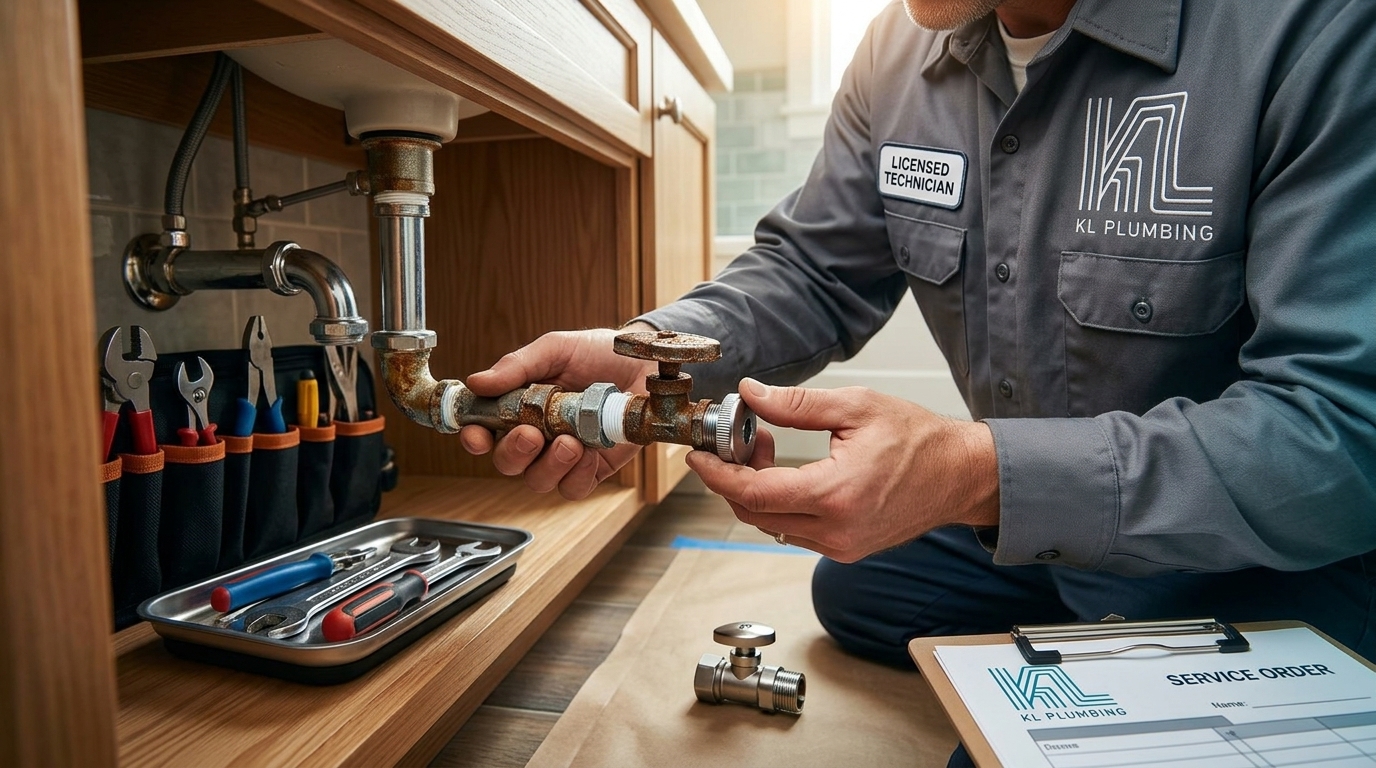
Shut-off valve corrosion. Older gate-style shut-off valves under sinks and toilets are notorious for seizing up from disuse. When you finally need to turn one off in a hurry, it will not budge or it breaks. Upgrading to quarter-turn ball valves during a bathroom remodel or repiping project is a smart long-term investment.
When to DIY and When to Call a Plumber
Some plumbing tasks are safe and straightforward for a handy homeowner:
- Replacing a toilet flapper or fill valve
- Clearing a shallow sink clog with a plunger
- Tightening a leaky faucet handle
- Replacing a showerhead or aerator
- Winterizing outdoor hose bibs before a freeze
Call a licensed plumber when:
- Multiple fixtures are affected at the same time
- You cannot locate the source of a leak
- The problem involves your water heater, water supply line, or main shut-off
- The job requires cutting into walls or working under the slab
- Fulton County requires a permit for the work (water heaters, repiping, water line work, and gas line modifications all require permits in Fulton County)
What to Look for in a Milton Plumber
Not every plumbing company is a good fit for Milton’s unique properties. Here is what to verify before you hire:
- Georgia plumbing license and insurance. This is non-negotiable. Ask for the license number and verify it.
- Experience with larger homes and complex systems. A company that primarily services apartments or small ranch homes may not be equipped for a 5,000 square foot house with five bathrooms and a tankless water heater.
- Fulton County permit knowledge. Your plumber should pull permits as a standard part of the job for any work that requires one. Unpermitted plumbing work can create problems during a home sale or insurance claim.
- Local reputation and reviews. A plumber who already serves Milton, Alpharetta, and Roswell understands the area, the housing stock, and the common issues.
K L Contractor Plumbing has been serving Milton and the greater Metro Atlanta area since 1999. We handle everything from a simple faucet repair to a full-house repipe, and we pull permits on every job that requires one.