
Do homeowners insurance policies cover polybutylene pipes? The answer isn’t always clear, and many homeowners wonder, “Does homeowners insurance cover polybutylene pipes?” This article explains typical coverage, exclusions, and how polybutylene pipes affect your premiums.
Key Takeaways
Contents
- 1 Key Takeaways
- 2 Understanding Polybutylene Pipes
- 3 Homeowners Insurance and Polybutylene Pipes
- 4 Claiming Insurance for Polybutylene Pipe Damage
- 5 Options If Your Insurance Doesn’t Cover Polybutylene Pipes
- 6 Cost Considerations for Replacing Polybutylene Pipes
- 7 Preparation for Polybutylene Pipe Replacement
- 8 What to Expect During Polybutylene Pipe Replacement
- 9 Benefits of Replacing Polybutylene Pipes
- 10 Common Mistakes to Avoid When Replacing Polybutylene Pipes
- 11 Preventive Measures and Maintenance
- 12 Summary
- 13 Considering Home Replacing Your Home’s Polybutylene Pipes? Call K L Contractor Plumbing
- 14 Frequently Asked Questions
- 14.1 What are polybutylene pipes?
- 14.2 Why do insurance companies exclude polybutylene pipes from coverage?
- 14.3 Can I file an insurance claim for damage caused by polybutylene pipes?
- 14.4 What are the costs associated with replacing polybutylene pipes?
- 14.5 What preventive measures can I take to maintain polybutylene pipes?
Polybutylene pipes, commonly used in homes built between the 1970s and 1990s, have a high failure rate and are often viewed as a liability by insurance companies.
Homeowners insurance may offer limited coverage for damages from polybutylene pipes, with many insurers excluding them from policies or imposing higher premiums.
Replacing polybutylene pipes with more durable materials is recommended to prevent water damage and improve home value, with repair costs varying significantly based on factors such as material choice and labor.
Understanding Polybutylene Pipes
Polybutylene pipes were a popular choice in residential construction from the 1970s to the 1990s. These pipes, often referred to as polybutylene piping or poly b pipes, were known for their flexibility and affordability. They were predominantly used for water supply lines and distribution systems, making them a common sight in homes built during this period. Copper pipe was also widely used in homes, and identifying copper pipe is important for understanding a home’s plumbing history. Additionally, pb pipes were favored for their ease of installation. Poly pipes were also considered for similar applications. Polybutylene pipes were used in both residential and commercial plumbing. Lead pipes were another outdated material sometimes found in older homes, and replacing lead pipes is often necessary for safety. Polybutylene pipes are no longer used in new construction, which now relies on modern materials for improved safety and reliability.
What Are Polybutylene Pipes?
Polybutylene pipes are made from a type of plastic resin that provides flexibility and resistance to corrosion. Key characteristics include:
Typically gray, blue, or black in color
Identified by the marking ‘PB2110’
Known for their lightweight nature
Easy to install
These pipes were commonly used in both residential and commercial plumbing applications.
Despite their advantages, these plastic pipes vary significantly in terms of scrutiny faced over the years.
Why Were Polybutylene Pipes Popular?
During the 1980s, polybutylene pipes became popular primarily due to:
Their cost-effectiveness
Ease of installation Builders and homeowners favored these pipes because they:
Reduced labor costs
Reduced construction time.
The combination of affordability and simplicity made polybutylene pipes an attractive option for many residential projects.
Issues with Polybutylene Pipes
Despite their initial popularity, polybutylene pipes have a higher-than-normal failure rate, typically lasting around 10 to 15 years before needing replacement. Exposure to chemicals like chlorine can cause these pipes to develop micro-fractures, increasing the risk of leaks over time. Old water pipes, especially those made from outdated materials like polybutylene, are prone to deterioration and should be replaced promptly to prevent costly water damage. The fittings used with polybutylene pipes are also prone to becoming brittle and failing.
Experts recommend replacing plastic fittings with brass or copper options made from reliable materials to mitigate these plumbing issues. Regular maintenance and inspections also help reduce the risk of leaks and costly repairs. Inspecting and maintaining water pipes is essential for preventing leaks and ensuring the reliability of the plumbing system.
Understanding these problems is essential for homeowners with polybutylene plumbing.
Homeowners Insurance and Polybutylene Pipes
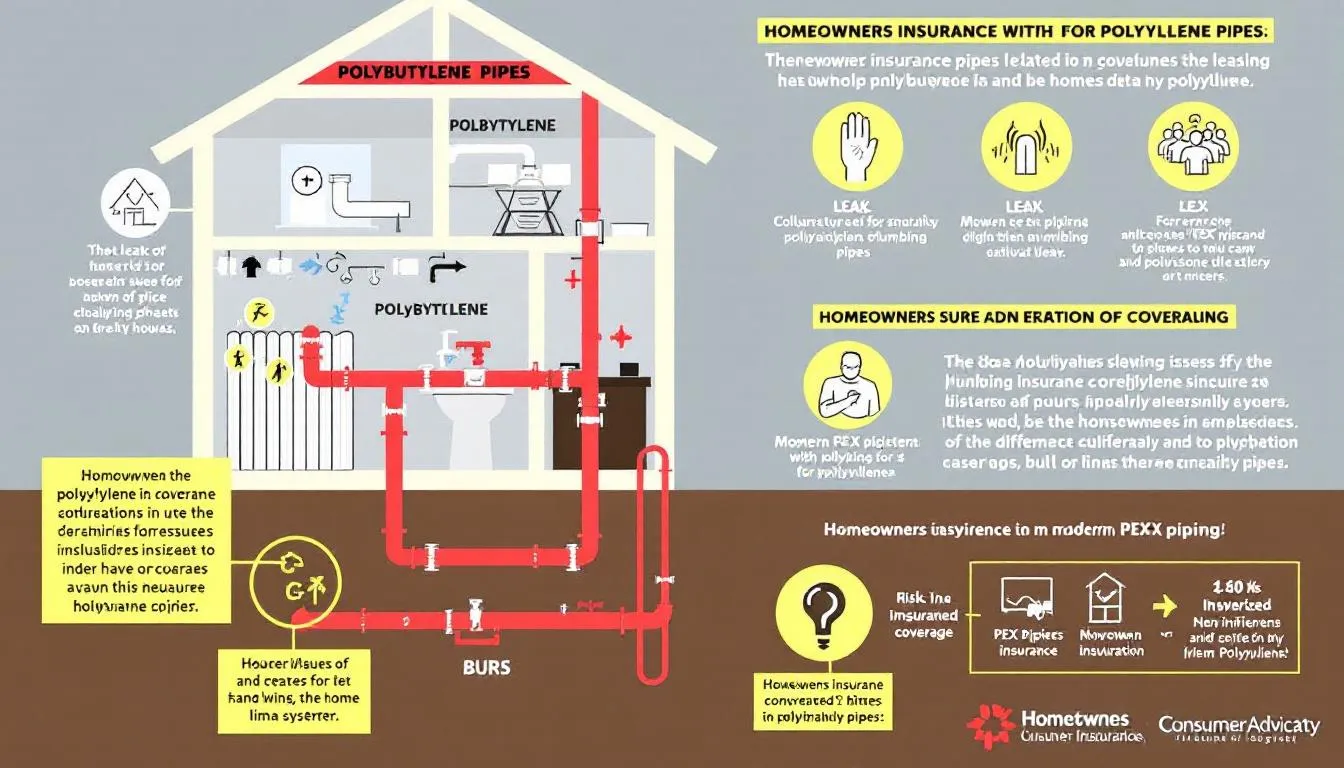
Navigating homeowners insurance with polybutylene pipes can be challenging. These pipes were introduced as a budget-friendly alternative to copper piping in the 1970s and gained traction for their ease of installation. However, many insurance companies consider homes with polybutylene plumbing high-risk due to the pipes’ history of leaks and failures. Many insurance policies do not cover damage caused by known defects such as polybutylene pipes, and coverage is often limited to sudden, accidental pipe failures.
This perception affects the coverage options and premiums available to homeowners, which can vary significantly depending on various factors.
Typical Insurance Coverage
Standard homeowners insurance policies typically include coverage for various types of water damage, including those stemming from polybutylene pipe failures. In some markets, like Florida, full water damage coverage is still available for older homes.
However, this coverage is often limited, and it’s crucial to understand the specifics of your policy to know what is covered. It’s a safe bet to assume most insurance policies will exclude coverage for damage caused by polybutylene pipes unless specifically stated otherwise.
Exclusions for Polybutylene Pipes
Many insurers exclude polybutylene pipes from coverage due to their history of leaks and failures. Insurance companies view these pipes as a significant liability, often refusing to cover homes with polybutylene plumbing.
Even when coverage is available, it usually comes with exclusions or higher deductibles, making it essential for homeowners to provide coverage of their policy details.
Impact on Insurance Premiums
Having polybutylene pipes in your home can significantly influence homeowners insurance premiums. Properties with these pipes may face higher premiums due to the increased risk of leaks and water damage.
Additionally, homeowners may find limited insurance policy options, as many providers exclude polybutylene pipes from coverage altogether.
Claiming Insurance for Polybutylene Pipe Damage
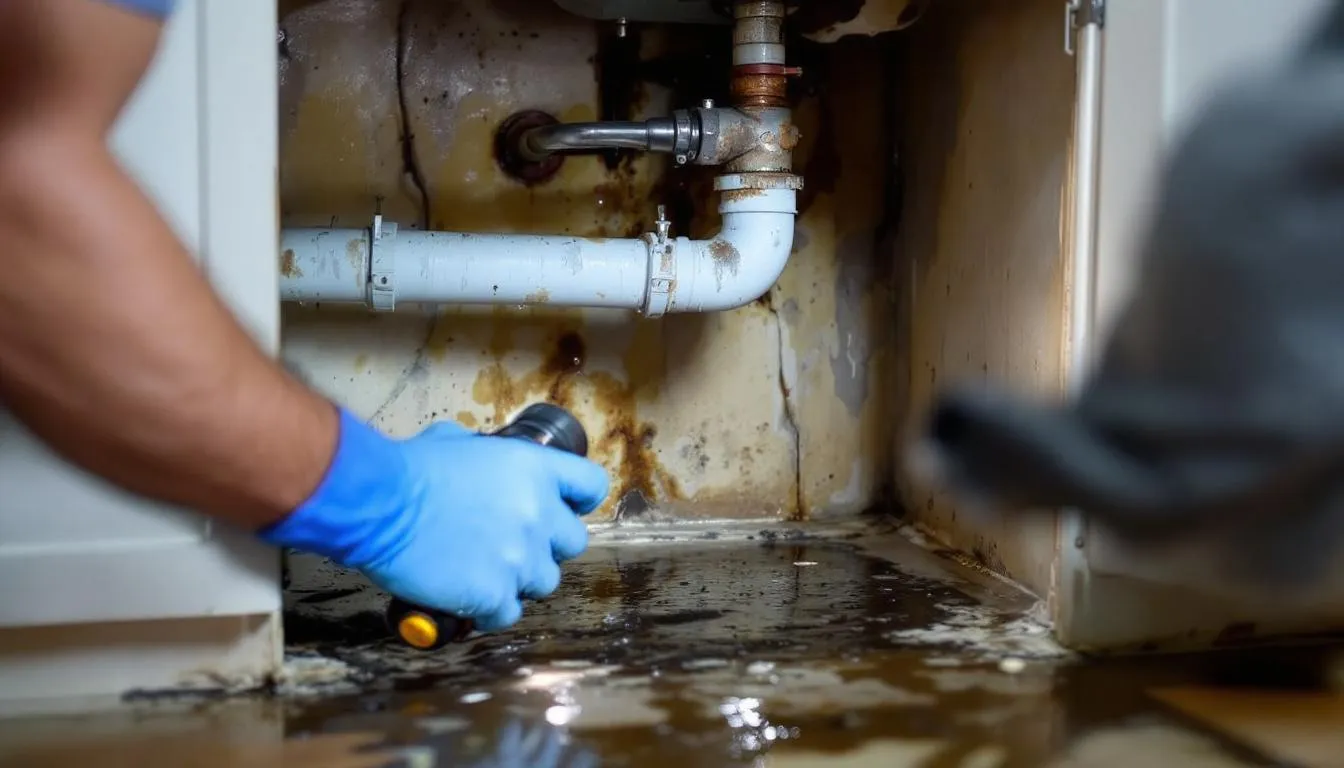
Filing an insurance claim for damage caused by polybutylene pipes can be a complex process. Insurance companies often categorize homes with these pipes as high-risk, leading to exclusions in coverage, which may result in a class action lawsuit.
Understanding how to navigate this process is crucial for homeowners facing pipe failures and water damage. It is often the homeowner’s responsibility to pay for repairs and damages not covered by insurance, especially when polybutylene pipes are involved.
Filing an Insurance Claim
Homeowners insurance typically covers the resulting water damage and labor costs associated with the replacement of polybutylene pipes. If you experience a pipe burst, it’s essential to file a claim with your insurance company immediately.
Ensure that your policy covers costly water damage and property damage, as this will determine the extent of the coverage available for repairs.
Documenting Damage
Proper documentation is key when filing an insurance claim for polybutylene pipe damage. Ensure you have paperwork from the plumber, including contact information and paid invoices, after any work is completed. Regular plumbing inspections may also be required for water damage coverage in older homes.
Keeping a detailed record of the damage and repairs will support your claim.
Dealing with Claim Denials
If your insurance claim is denied, consider the following steps:
Seek legal advice, especially if the title company or insurance provider cannot find information about polybutylene claims.
Confirm the presence of polybutylene piping with a professional plumber.
Document any flooding or damage related to these pipes.
Persistence and thorough documentation can help in appealing a denial.
Options If Your Insurance Doesn’t Cover Polybutylene Pipes

If your homeowners insurance policy does not cover polybutylene pipes, you still have options. Homeowners can either re-plumb their homes or find a new insurance carrier as alternatives. Additionally, some utility companies offer rebates or financial incentives to homeowners who upgrade or replace outdated plumbing systems, which can help reduce the overall project cost.
Understanding these options can help you make an informed decision about managing your home’s plumbing system.
Replacing Polybutylene Pipes
Replacing polybutylene pipes helps prevent leaks and potential water damage. Experts recommend replacing pipes in your home to improve resale value and ensure long-term durability. Replacing outdated pipes is also essential for maintaining the safety and reliability of your home’s plumbing system. Common materials to replace pipes include CPVC, PEX, and copper.
Costs can range from $3,500 to $5,000 for a full replacement, making it a worthwhile investment of a few thousand dollars.
Financing Pipe Replacement
Various financing options can be explored for replacing polybutylene pipes, including:
Personal loans
Financing programs offered by plumbing contractors
Promotional campaigns or limited-time offers from local plumbing businesses that can help lower costs associated with polybutylene pipe replacement.
Finding a New Insurance Policy
Switching to a different insurance provider may be necessary for homeowners with polybutylene pipes, as most insurance companies do not cover them. Independent insurance agents can assist in finding policies that offer better coverage for homes with polybutylene plumbing.
Exploring these options can help you secure the necessary coverage for your home.
Cost Considerations for Replacing Polybutylene Pipes
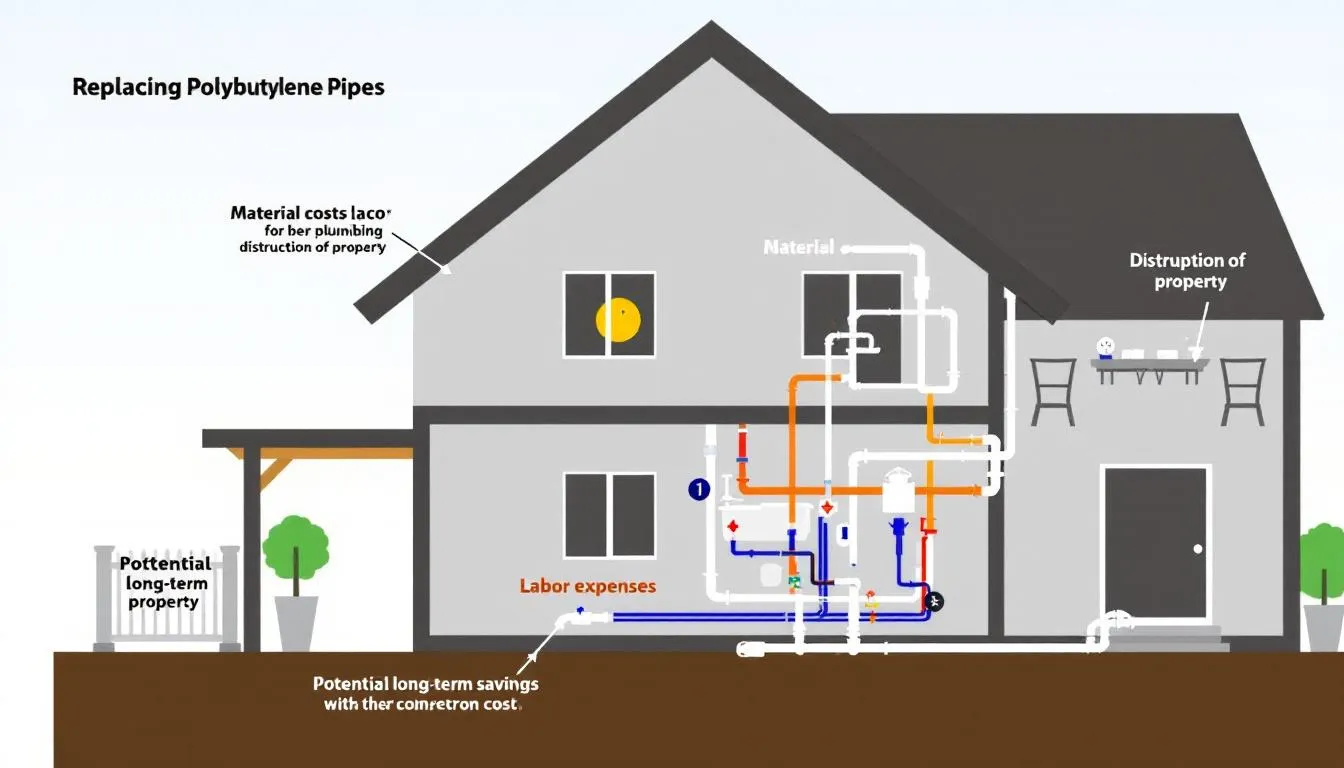
Understanding the costs involved in replacing polybutylene pipes is crucial for homeowners. The average cost to replace these pipes ranges from $300 to $5,100, with typical expenses around $1,200 for partial replacements. The costs to replace polybutylene pipes can vary widely depending on factors such as property size, pipe material, and labor rates.
However, the total cost for repiping an entire home can reach up to $15,000. Costs are often calculated per square foot, so the size of your property will significantly impact the overall expense.
Refer to the following table for a detailed breakdown of estimated costs for different property sizes and layouts.
The project timeline for replacing polybutylene pipes can be affected by unforeseen complications, so it’s important to plan for potential delays.
Material Costs
Homeowners can expect a cost range of $0.50 to $8 per linear foot for new pipe materials used to replace polybutylene pipes. Popular replacement materials include PEX, copper, and CPVC, with PEX costing $0.50 to $2.00 per linear foot, while copper can range from $2.00 to $8.00 per linear foot.
It’s important to compare prices and set aside a contingency fund for unexpected expenses.
Labor Costs
The labor cost for replacing polybutylene pipes typically ranges from $150 to $250 per linear foot. Factors such as geographic location, accessibility of the plumbing system, and property layout can significantly influence labor costs.
Homeowners should budget for both the removal of old pipes and the installation of new materials.
Additional Expenses
When replacing polybutylene pipes, homeowners should consider additional expenses such as equipment fees, specialized tools, and rental machinery. Repairs to drywall, ceilings, and floors are often necessary due to demolition for access to polybutylene pipes, including repairing walls.
Mold remediation and inspection costs can also add to the overall costs, including additional costs, additional labor and higher costs.
Preparation for Polybutylene Pipe Replacement
Proper preparation is essential when it comes to replacing polybutylene pipes in your home. Start by identifying all areas where polybutylene piping is present—this may include your kitchen, bathrooms, laundry room, or even the water heater connections. Hiring a professional plumber for a comprehensive plumbing inspection is a smart first step, as they can provide a detailed breakdown of the work required and help you understand the full scope of the replacement process.
Next, research and compare prices for different pipe materials. Options like copper piping, PEX, and CPVC each have their own benefits and costs, so it’s important to choose the material that best fits your budget and long-term needs. Don’t forget to factor in labor costs and any additional expenses that may arise during the project.
Financing options are available through many plumbing services and contractors, making it easier to manage the cost of polybutylene pipe replacement. By planning ahead, gathering multiple quotes, and understanding your financing choices, you can avoid unexpected expenses and reduce the risk of costly water damage in the future. Being well-prepared ensures a smoother replacement process and helps protect your home’s plumbing system for years to come.
What to Expect During Polybutylene Pipe Replacement
When you begin the polybutylene pipe replacement process, expect a professional plumber to carefully remove the old pipes and install new, more reliable materials throughout your home. This process often involves accessing pipes behind walls, under floors, or above ceilings, which means some areas of your home may need to be temporarily opened up. Repairing walls, ceilings, and floors is a common part of the job, especially if previous leaks from polybutylene pipes have caused damage.
The plumber will ensure that your new pipes are securely connected to the water supply and that your entire plumbing system is functioning properly before completing the project. Depending on the size of your home and the complexity of the plumbing system, the replacement process can take anywhere from a few days to over a week. During this time, you may experience some disruption to your daily routine, such as limited access to water in certain areas.
It’s important to review your insurance policy before starting the project, as many insurance companies do not cover the cost of polybutylene pipe replacement. Understanding your coverage can help you plan for any out-of-pocket expenses. By knowing what to expect, you can better prepare for the temporary inconveniences and ensure a successful transition from old pipes to a safer, more efficient plumbing system.
Benefits of Replacing Polybutylene Pipes
Choosing to replace polybutylene pipes in your home comes with significant benefits. Most importantly, it greatly reduces the risk of costly water damage caused by leaks or pipe bursts—a common issue with aging polybutylene pipes. Upgrading to modern pipe materials not only protects your home from future leaks but also improves the overall efficiency and reliability of your plumbing system.
Many insurance companies require homeowners to replace polybutylene pipes to maintain or obtain coverage, so making this upgrade can help ensure you’re protected in the event of a claim. Additionally, replacing polybutylene pipes can increase your home’s value and appeal to potential buyers, as updated plumbing is a major selling point.
By investing in new pipes, you’re also investing in the long-term safety and durability of your home. You’ll enjoy peace of mind knowing that your plumbing system is built to last, reducing the likelihood of emergency repairs and unexpected expenses down the road.
Common Mistakes to Avoid When Replacing Polybutylene Pipes
When it comes to replacing polybutylene pipes, avoiding common mistakes can save you time, money, and stress. One of the biggest errors homeowners make is attempting a DIY pipe replacement without the necessary expertise. Plumbing systems are complex, and improper installation can lead to leaks, water damage, and even higher costs for repairs.
Another mistake is skipping a thorough inspection of the plumbing system before starting the replacement process. Overlooking hidden sections of polybutylene piping can result in incomplete work and future problems. It’s also important to avoid choosing low-cost, unreliable materials just to save money upfront—these can lead to additional costs and headaches if they fail prematurely.
Finally, don’t settle for the first quote you receive. Take the time to compare prices and services from multiple professional plumbers to ensure you’re getting the best value for your investment. By steering clear of these common pitfalls, you can ensure a smooth, successful polybutylene pipe replacement and protect your home from future plumbing issues.
Preventive Measures and Maintenance
Preventive measures and regular maintenance are essential for prolonging the lifespan of polybutylene pipes and avoiding potential damage. Homeowners should be proactive in managing their plumbing systems to ensure long-term durability. Regularly inspecting your home’s pipes is crucial to identify potential issues early and prevent costly water damage.
Regular Inspections
Regular plumbing inspections are essential to catch early signs of wear and tear in polybutylene pipes. Before proceeding with any plumbing inspection or professional services contracts, ensure no active leaks exist and all water damage is repaired.
Regular inspections can help maintain the long-term safety of your home and are a homeowner’s responsibility. A home inspector can provide valuable insights during this process.
Water Treatment Systems
Installing water treatment systems can reduce harmful chemicals like chlorine in the water, which can deteriorate polybutylene pipes. Implementing these systems can minimize the corrosive effects of chlorine and mineral buildup, thus extending the durability of polybutylene plumbing.
Emergency Preparedness
Being prepared for emergencies related to pipe failures, such as a broken pipe, is crucial. Regular plumbing inspections can help detect early signs of wear and tear, preventing potential pipe bursts. In addition, knowing how to contact emergency services can be invaluable in urgent situations.
Installing water treatment systems can also significantly extend the lifespan of polybutylene pipes by reducing chemical reactions that may cause leaks.
Summary
Polybutylene pipes, once popular for their affordability and ease of installation, have proven to be problematic due to their susceptibility to leaks and failures. Navigating homeowners insurance with these pipes can be challenging, but understanding your options and taking proactive measures can protect your home and finances.
Whether you’re dealing with existing polybutylene pipes or considering replacing them, it’s essential to stay informed and prepared. Regular maintenance, proper documentation, and exploring financing options can help manage the costs and risks associated with polybutylene plumbing. By taking these steps, you can ensure the long-term safety and durability of your home’s plumbing system.
Considering Home Replacing Your Home’s Polybutylene Pipes? Call K L Contractor Plumbing
If your home still has polybutylene pipes, now is the time to act. These pipes are known to fail without warning, leading to leaks, water damage, and expensive repairs. Replacing them with stronger, safer materials is the best way to protect your home and your investment.
K L Contractor Plumbing Inc. provides reliable polybutylene pipe inspection and replacement services across Marietta and Cobb County. Our licensed plumbers identify problem areas, explain your options clearly, and complete each repipe with care and precision. We use trusted materials like PEX and copper to ensure long-lasting performance and safety.
Homeowners throughout Marietta, Kennesaw, and Acworth rely on our team for honest advice, fair pricing, and professional workmanship. We make the repiping process simple from start to finish, minimizing disruption and delivering results that last for decades. Additionally, if you’re experiencing clogged or slow drains, our drain cleaning services in Marietta can help restore your plumbing system’s efficiency.
Don’t wait for leaks or insurance issues to cost you more. Call K L Contractor Plumbing Inc. today at 470-694-6599 or visit klplumbing.com to schedule your polybutylene pipe inspection or replacement service. Keep your plumbing system safe, efficient, and ready for the future.
Frequently Asked Questions
What are polybutylene pipes?
Polybutylene pipes are flexible plastic pipes made from a specific resin, widely used in plumbing from the 1970s to the 1990s due to their cost-effectiveness and ease of installation. However, their durability has been questioned, leading to decreased usage in modern plumbing systems.
Why do insurance companies exclude polybutylene pipes from coverage?
Insurance companies exclude polybutylene pipes from coverage primarily because these pipes have a known history of leaks and failures, particularly when exposed to chemicals, leading to a higher risk of water damage. This exclusion is a precautionary measure to mitigate potential financial losses.
Can I file an insurance claim for damage caused by polybutylene pipes?
You can file an insurance claim for damage caused by polybutylene pipes if your policy includes coverage for water damage. Ensure you document the damage comprehensively and keep records of all repairs made.
What are the costs associated with replacing polybutylene pipes?
Replacing polybutylene pipes can be costly, with material expenses ranging from $0.50 to $8 per linear foot and labor costs between $150 to $250 per linear foot. Additionally, costs may increase due to necessary repairs and mold remediation.
What preventive measures can I take to maintain polybutylene pipes?
To maintain polybutylene pipes, conduct regular plumbing inspections and consider installing water treatment systems. These preventive measures can significantly reduce the risk of leaks and enhance the longevity of your plumbing system.