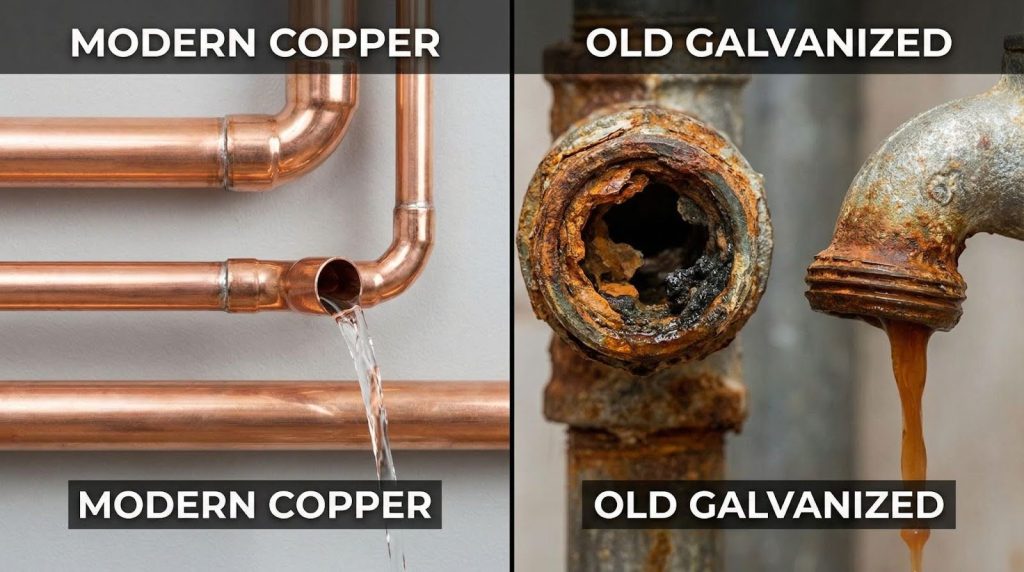
Old Pipes Water Quality: Effects and Staining in Marietta Homes
Contents
- 1 Old Pipes Water Quality: Effects and Staining in Marietta Homes
- 1.1 Understanding How Aging Pipes Affect Your Water
- 1.2 Common Signs of Discolored Water in Marietta Homes
- 1.3 Types of Pipes That Impact Water Quality
- 1.4 How Lead Levels Can Rise in Older Plumbing Systems
- 1.5 The Health Risk of Drinking Contaminated Water
- 1.6 Iron and Rust: What Causes Orange and Brown Water Stains
- 1.7 How Copper Pipes Degrade Over Time
- 1.8 Why Your Drinking Water May Taste or Smell Different
- 1.9 The Connection Between Pipe Corrosion and Water Contamination
- 1.10 When to Have Your Water Tested
- 1.11 Professional Solutions for Aging Plumbing in Marietta
- 1.12 Protect Your Home and Family with K L Contractor Plumbing Inc
Many Marietta homeowners take their plumbing for granted until something goes wrong. But what most people do not realize is that the pipes hidden behind their walls and beneath their floors could be silently affecting the water they drink, cook with, and bathe in every single day.
Old plumbing doesn’t just degrade water quality. It can introduce harmful contaminants, create unsightly stains throughout your home, and pose serious health concerns for your family. Understanding the connection between aging pipes and water contamination is the first step toward protecting your household.
If you have noticed discolored water coming from your faucets, strange tastes or odors, or stubborn stains on your fixtures, your home’s plumbing system may be the culprit. This guide explains exactly how deteriorating pipes affect your water and what you can do about it.
Understanding How Aging Pipes Affect Your Water
The plumbing infrastructure in many Marietta homes dates back several decades. Houses built before the 1980s often contain pipe materials that were once considered standard but are now known to pose significant problems.
Over time, the interior surfaces of these pipes break down. This deterioration releases metals, sediments, and other contaminants directly into your water supply. The older your home, the more likely your plumbing has experienced this kind of wear.
Old dirty pipes are more prone to accumulating mineral deposits, developing internal corrosion, and harboring bacteria. These issues compound year after year, gradually worsening the quality of the water flowing through them.
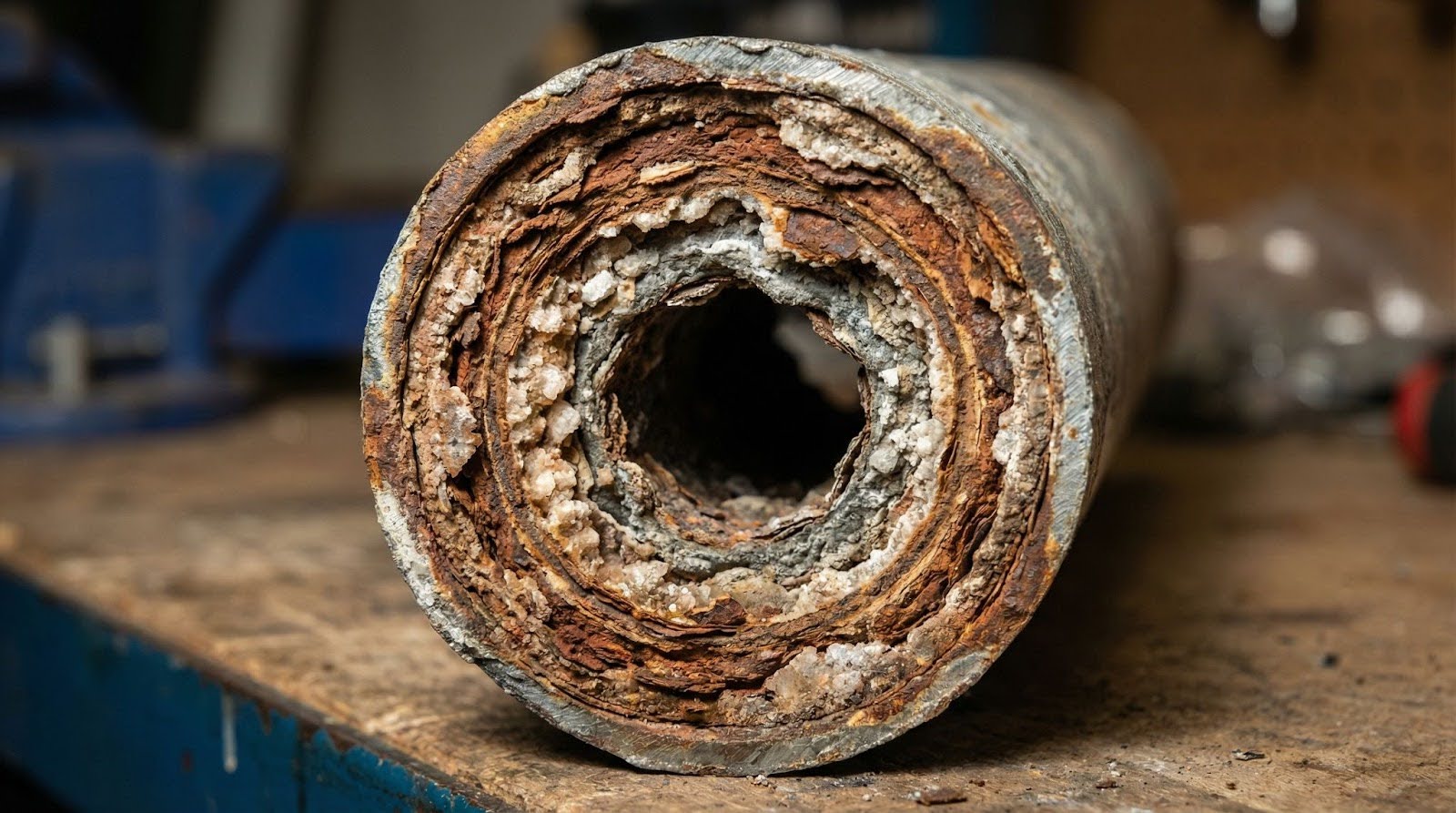
Common factors that accelerate pipe degradation include high mineral content in municipal water, fluctuations in water pressure, chemical treatments used by water utilities, and natural oxidation processes over decades of use.
Aging city water systems can also contribute to the problem. Even if your home’s internal plumbing is in good condition, deteriorating municipal pipes can introduce sediments and contaminants before the water ever reaches your property.
Common Signs of Discolored Water in Marietta Homes
One of the most obvious indicators of old pipes water quality issues is discolored water. This problem occurs when pipe materials break down and mix with your water supply.
The color of your water can tell you a lot about what is happening inside your plumbing system. Different discolorations point to different underlying causes.
Brown or orange water typically indicates the presence of iron or rust. This occurs when iron pipes or galvanized steel lines corrode internally. The rust particles mix with the water and create that characteristic brownish tint.
Yellow water often results from accumulated sediments or aging galvanized pipes releasing zinc coatings. This discoloration may be more noticeable after your water has been sitting unused for several hours.
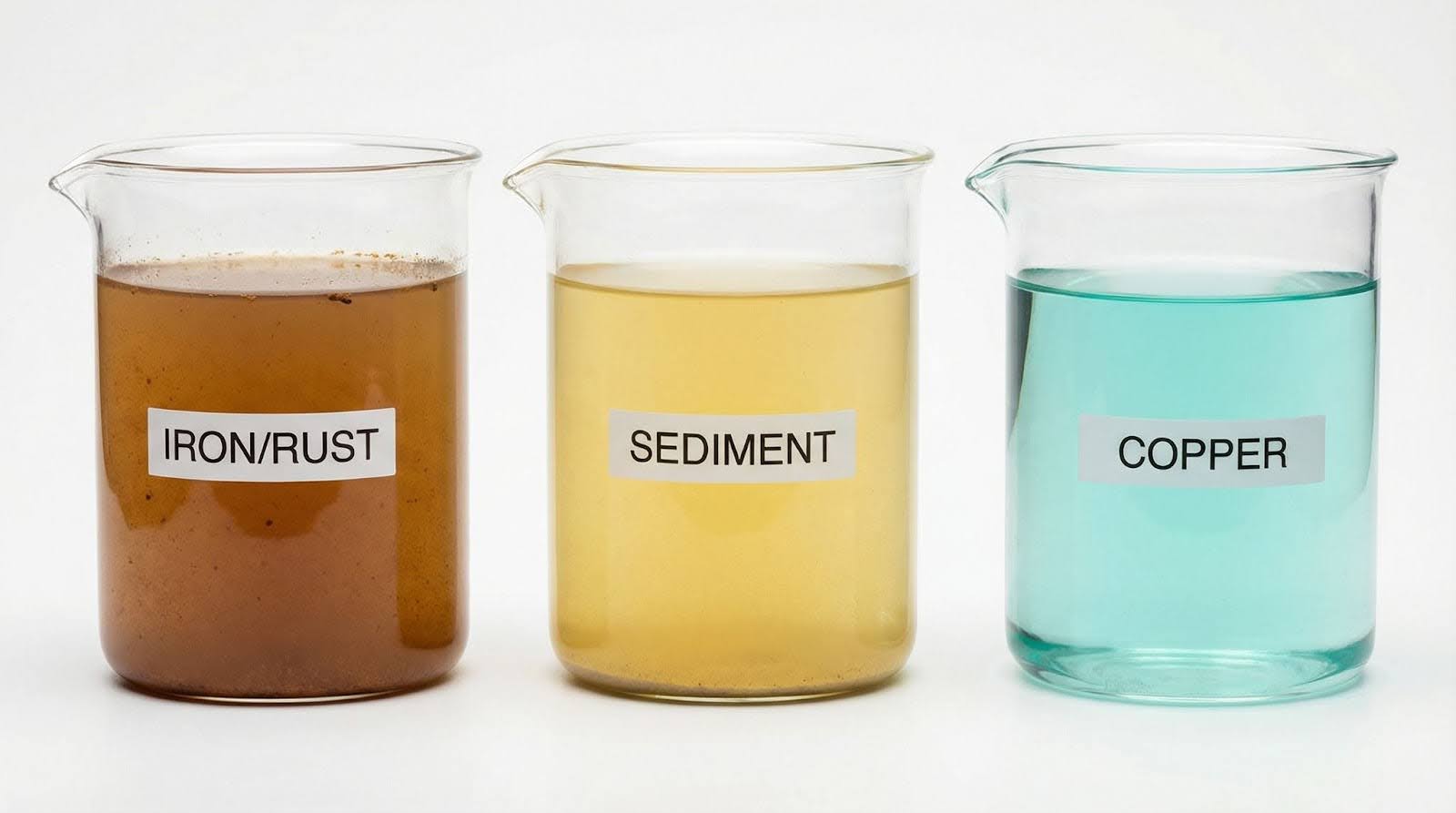
Green or blue-tinged water suggests that copper is leaching from your pipes. While small amounts of copper are not immediately dangerous, elevated levels can cause health issues over time.
White or cloudy water may indicate air bubbles trapped in the system, but it can also result from calcium and magnesium deposits breaking free from deteriorating pipe interiors.
Black specks or particles in your water often come from degrading rubber gaskets, washers, or the breakdown of pipe linings. This issue requires immediate attention to identify the source.
If you experience any of these discolored water problems, it signals that your home’s plumbing needs professional evaluation. Ignoring these warning signs allows contamination to worsen over time.
Types of Pipes That Impact Water Quality
Not all plumbing materials age the same way. The type of pipes installed in your home directly determines the kinds of water quality issues you may face.
Understanding what materials run through your walls helps you anticipate potential problems and take proactive steps to protect your family.
Lead Pipes
Lead pipes represent the most serious concern for older homes. Houses built before 1986 may contain lead service lines connecting to the municipal supply or lead solder joining copper pipes together.
Lead pipes can leach dangerous levels of this toxic metal directly into your drinking water. Unlike other contaminants, lead exposure causes cumulative health damage that affects the brain, kidneys, and nervous system.
The EPA has established that no level of lead exposure is considered safe. Even trace amounts can cause developmental problems in children and health complications in adults.
Galvanized Steel Pipes
Galvanized steel was a popular choice for residential plumbing from the 1930s through the 1960s. These pipes feature a zinc coating designed to prevent rust, but that protection breaks down over time.
As the zinc layer deteriorates, the underlying steel begins to corrode. This pipe corrosion releases iron, zinc, and other metals into your water supply while also restricting water flow as rust accumulates inside.
Homes with galvanized steel plumbing often experience gradually decreasing water pressure, rusty brown discoloration after periods of non-use, metallic tastes affecting drinking and cooking water, and increased sediment collecting in fixtures and appliances.
The interior of these aging pipes can become so clogged with corrosion that replacing them becomes the only viable solution.
Copper Pipes
Copper has been the standard for residential plumbing since the 1960s and remains popular today. While more durable than galvanized steel, copper pipes are not immune to degradation.
Over decades of use, copper pipes develop a condition called pitting corrosion. Small holes form on the pipe interior, releasing copper particles into the water and potentially causing leaks.
Acidic water accelerates copper pipe deterioration. Marietta’s water supply characteristics can influence how quickly this corrosion occurs in local homes.
Signs that copper pipes are degrading include blue-green stains around drains and fixtures, a metallic taste to the water, and small pinhole leaks that appear throughout the system.
Polybutylene Pipes
Homes built between 1978 and 1995 may contain polybutylene (PB) pipes. This plastic material was once marketed as the pipe of the future but proved prone to premature failure.
Chlorine and other chemicals in treated water cause polybutylene to become brittle and crack from the inside out. These failures often occur without warning, leading to sudden leaks and water damage.
While polybutylene pipes do not leach metals like other materials, their tendency to fail creates different problems. Other contaminants may seep through cracks and micro-fractures before visible leaking occurs.
How Lead Levels Can Rise in Older Plumbing Systems
Lead contamination remains one of the most serious water quality concerns for homes with aging infrastructure. Understanding how lead enters your water helps you take steps to protect your family.
The crisis in Flint, Michigan brought national attention to the dangers of lead in drinking water. While that situation involved municipal water treatment changes, similar risks exist in any home with lead-containing plumbing components.
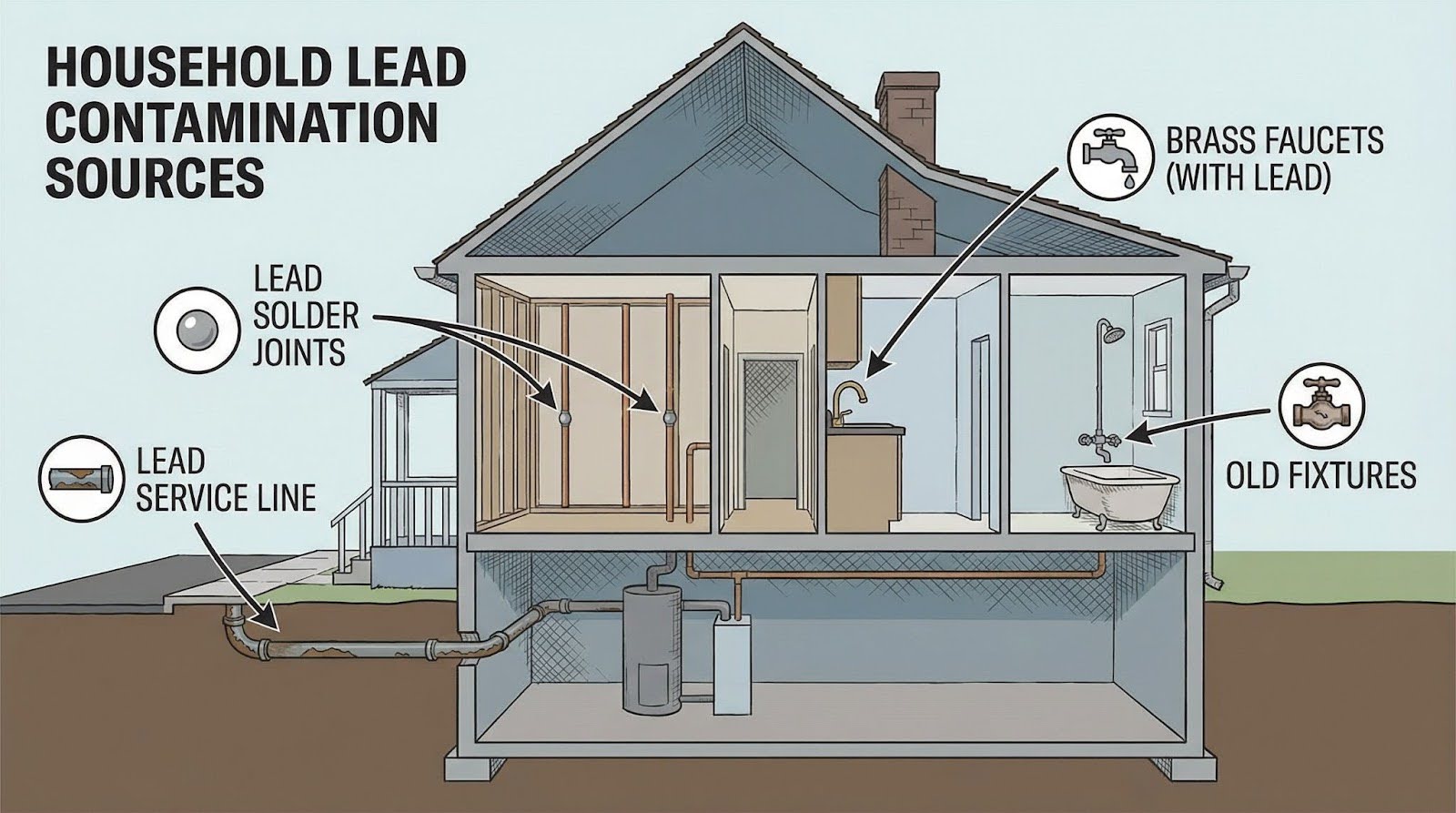
Old pipes can leach lead through several pathways:
- Direct contact between water and lead service lines connecting to the main
- Lead solder used to join copper pipes in homes built before 1988
- Brass fixtures and faucets containing lead alloys
- Lead-containing pipe linings in some older galvanized systems
Several factors cause lead levels to spike higher than normal. When water sits in contact with lead-containing materials for more than six hours, concentrations increase significantly. Hot water draws more lead than cold because heat accelerates the leaching process.
Water chemistry also plays a role. Acidic water with low mineral content is more corrosive and extracts more lead from pipe surfaces. Changes in municipal water treatment can inadvertently increase lead solubility throughout an entire service area.
The EPA sets the action level for lead in drinking water at 15 parts per billion. However, health experts emphasize that no amount of lead exposure is truly safe, especially for children, pregnant women, and developing fetuses.
If your Marietta home was built before 1986, having your water tested for lead is an essential step in protecting your household. Professional testing identifies whether lead is present and at what concentrations.
The Health Risk of Drinking Contaminated Water
Water contamination from aging plumbing poses genuine health concerns that Marietta homeowners should take seriously. The risk increases the longer these issues go unaddressed.
Different contaminants create different health effects:
Lead exposure causes neurological damage, developmental delays in children, kidney problems, and cardiovascular issues. Children under six are especially vulnerable because their developing brains absorb lead more readily.
Excess iron in drinking water is not typically dangerous in moderate amounts but can cause digestive upset, nausea, and an unpleasant metallic taste that discourages adequate hydration.
High copper levels can trigger gastrointestinal symptoms including nausea, vomiting, and diarrhea. Long-term exposure at elevated levels may contribute to liver and kidney damage.
Bacteria growth in deteriorating pipes creates additional concerns. Corroded interiors and accumulated biofilm provide environments where harmful bacteria can multiply and enter your water supply.
Vulnerable populations face the greatest risk from contaminated water. These include infants and young children, pregnant and nursing mothers, elderly adults, individuals with compromised immune systems, and people with pre-existing kidney or liver conditions.
Protecting your family’s health means addressing plumbing issues before they cause harm. Regular water testing and proactive pipe maintenance help identify problems early.
Iron and Rust: What Causes Orange and Brown Water Stains
Those stubborn orange and brown stains on your sinks, toilets, bathtubs, and fixtures often indicate iron contamination from corroding pipes. This common problem in homes with aging plumbing affects both appearance and water quality.
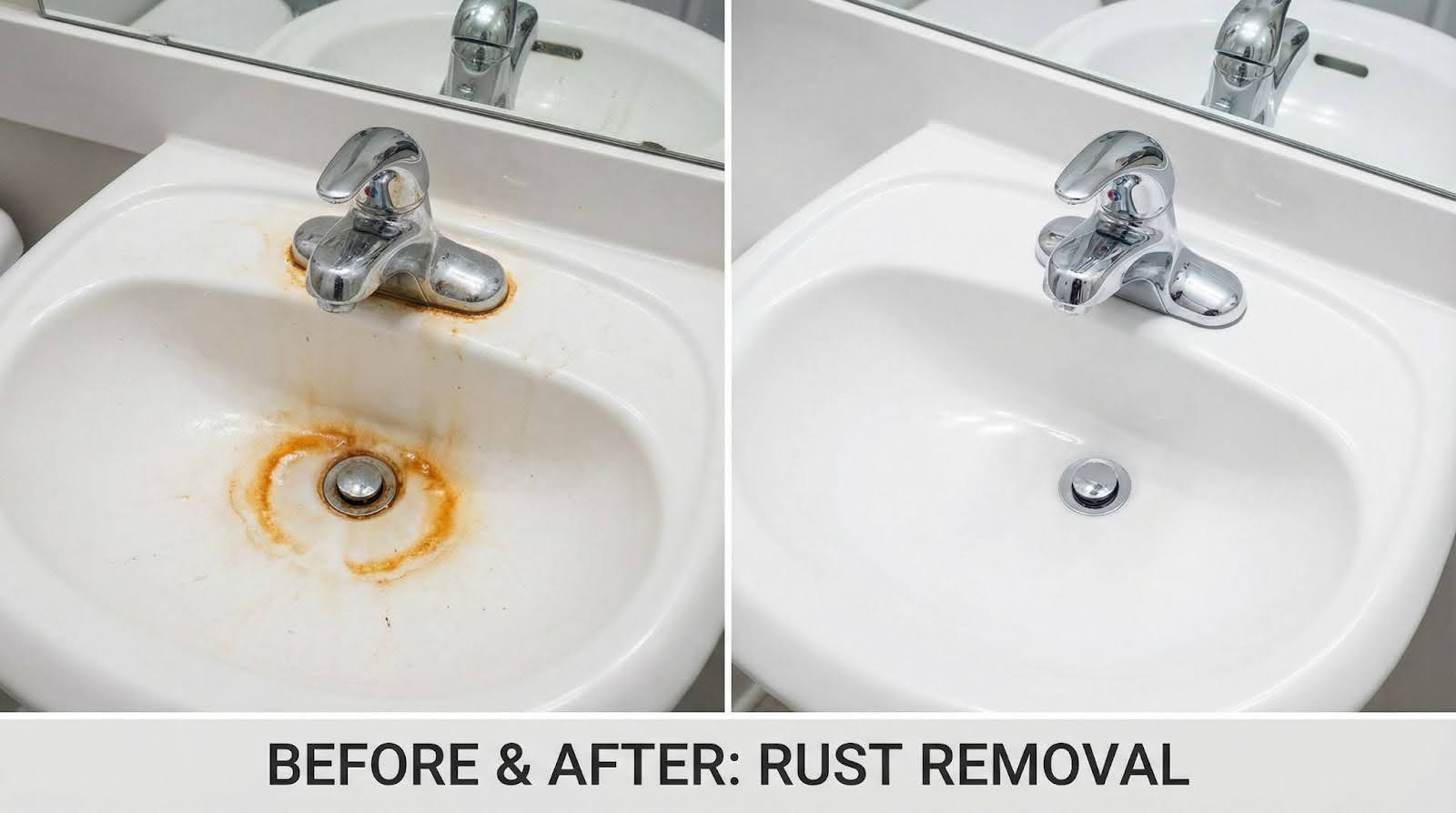
Iron enters your water through two primary sources. The first is your home’s internal plumbing, where corroded galvanized steel or iron pipes release rust particles directly into the water flowing through them.
The second source is the municipal supply system. Many older water mains throughout Marietta and metro Atlanta contain iron components that degrade over time. Disturbances in the system from repairs, pressure changes, or hydrant flushing can temporarily increase iron levels in the water reaching your home.
The effects of high iron content include:
- Persistent reddish-brown staining on porcelain fixtures
- Discoloration of laundry, especially light-colored fabrics
- Orange or brown tinting in the water itself
- Metallic taste that affects beverages and cooking
- Clogging of faucet aerators and showerheads
Iron staining is more than a cosmetic nuisance. It indicates that pipe corrosion is actively occurring in your system. The same process releasing iron particles is also weakening your pipes and potentially introducing other contaminants.
Addressing the root cause requires identifying where the corrosion is happening. If the problem originates in your home’s plumbing, professional pipe evaluation and water line repair can determine whether targeted repairs or complete repiping offers the best solution.
How Copper Pipes Degrade Over Time
Even relatively modern copper plumbing eventually shows signs of age. Understanding how copper pipes deteriorate helps homeowners recognize problems before they become serious.
Copper pipe degradation typically occurs through several mechanisms:
Pitting corrosion creates small holes in the pipe walls. These pits start microscopically small but grow larger over time, eventually penetrating through the pipe entirely and causing leaks.
Erosion corrosion happens when water flowing at high velocity gradually wears away the pipe interior. Undersized pipes or improper installation can accelerate this process.
Formicary corrosion creates branching networks of tiny tunnels through the copper. Certain organic compounds in the environment trigger this unusual degradation pattern.
General surface corrosion slowly thins the pipe walls over decades of service, eventually compromising pipe integrity.
Several factors influence how quickly copper pipes degrade in Marietta homes, including water pH levels, dissolved oxygen presence, temperature fluctuations, quality of original installation, and soil conditions affecting underground sections.
Blue-green staining around drains and on fixtures provides visual evidence that copper is leaching from your pipes. While the staining itself is harmless, it signals that pipe degradation is underway.
Homes with copper plumbing installed 25 or more years ago should receive professional inspection to assess pipe condition. Early detection of degradation allows for planned replacement before emergency failures occur.
Why Your Drinking Water May Taste or Smell Different
Changes in how your tap water tastes or smells often indicate problems with your home’s plumbing system. Your senses provide early warning that water quality may be compromised.
Metallic tastes commonly result from corroding pipes releasing iron, copper, zinc, or other metals into the water. This taste tends to be strongest from the first draw in the morning.
Rotten egg odors suggest hydrogen sulfide in the water. This smell can indicate bacteria growth in your water heater or deteriorating pipes providing surfaces where sulfur-reducing bacteria thrive.
Chlorine or chemical tastes beyond normal levels may indicate reactions between treatment chemicals and corroded pipe interiors.
Musty or earthy odors sometimes develop when bacteria establish in corroded pipe sections.
Bitter tastes can result from high copper concentrations or other dissolved metals.
When your drinking water tastes or smells noticeably different from what you remember, do not dismiss it. Your senses are detecting real changes that warrant investigation.
Running water for 30 seconds to two minutes before drinking can reduce contaminant concentrations in the first draw. However, this temporary measure does not address the underlying pipe problems causing the issue.
The Connection Between Pipe Corrosion and Water Contamination
Pipe corrosion represents the primary mechanism through which aging plumbing affects water quality. Understanding this connection clarifies why proactive maintenance matters so much.
Corrosion is an electrochemical process where pipe materials react with water and dissolved substances. Over time, this reaction breaks down the pipe interior, releasing metals and particles directly into your water supply.
Several factors accelerate corrosion in residential plumbing. Water with low pH dissolves pipe materials more aggressively. High oxygen content promotes oxidation reactions. Elevated temperatures increase chemical reaction rates. Dissimilar metals in contact create galvanic corrosion cells, and chlorine treatments attack certain pipe materials.
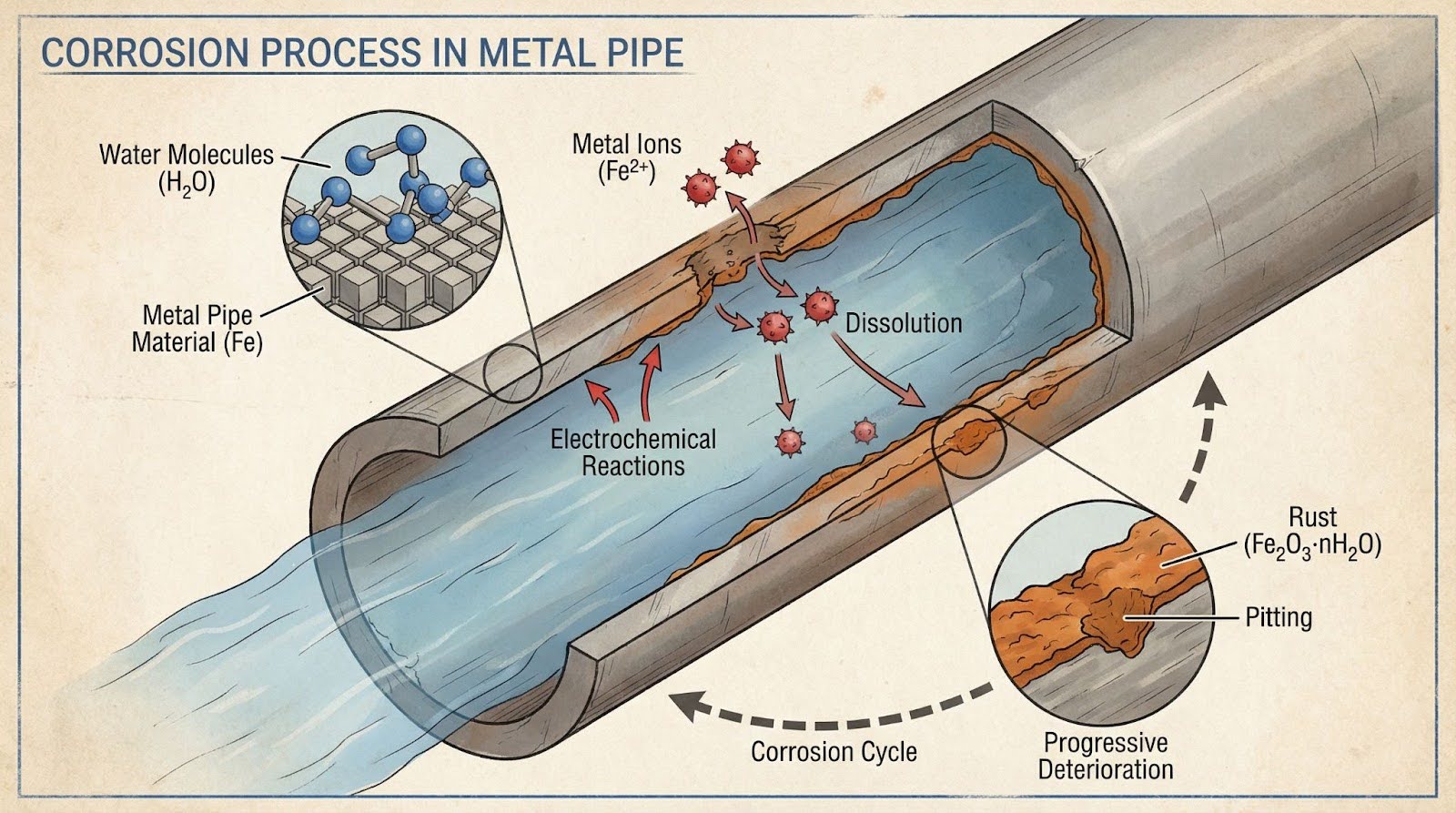
As pipe corrosion progresses, it creates a self-reinforcing cycle. Rough, corroded surfaces provide more area for reactions to occur, accelerating further deterioration. Loosened particles restrict flow and trap additional sediments. The environmental conditions inside corroded pipes also support bacteria colonization.
Warning signs that corrosion is affecting your plumbing system include declining water pressure, frequent small leaks appearing in different locations, water discoloration that worsens over time, and increasing sediment in fixture aerators.
Professional evaluation can determine the extent of corrosion damage and recommend appropriate solutions. In many cases, targeted repairs address isolated problem areas. Severely corroded systems may require complete repiping to restore water quality.
When to Have Your Water Tested
Professional water testing provides definitive answers about what contaminants may be present in your home’s water supply. This information guides decisions about how to address problems.
Consider having your water tested if you notice:
- Any visible discoloration when water flows from faucets
- Unusual tastes or odors that differ from normal
- Staining on fixtures that cleaning cannot remove
- Family members experiencing unexplained health symptoms
- You have recently purchased an older home
- Your home contains known problem materials like lead or galvanized pipes
The EPA recommends annual testing for homes with private wells. For homes on municipal water, testing every few years or when changes occur provides reasonable monitoring.
Comprehensive water testing evaluates lead and other heavy metals, copper concentrations, iron and manganese levels, pH and mineral content, bacterial contamination, and nitrates along with other chemical contaminants.
Professional testing laboratories provide accurate results that identify specific contaminants and their concentrations.
Once you know what is in your water, you can make informed decisions about filtration, treatment, or plumbing upgrades needed to protect your family.
Professional Solutions for Aging Plumbing in Marietta
Addressing water quality issues caused by old pipes requires more than temporary fixes. Professional plumbing solutions tackle the root cause of contamination and restore safe, clean water throughout your home.
Whole-home repiping replaces all deteriorating pipes with modern materials designed for long-term performance. Today’s options include copper, PEX, and CPVC, each offering advantages for different situations.
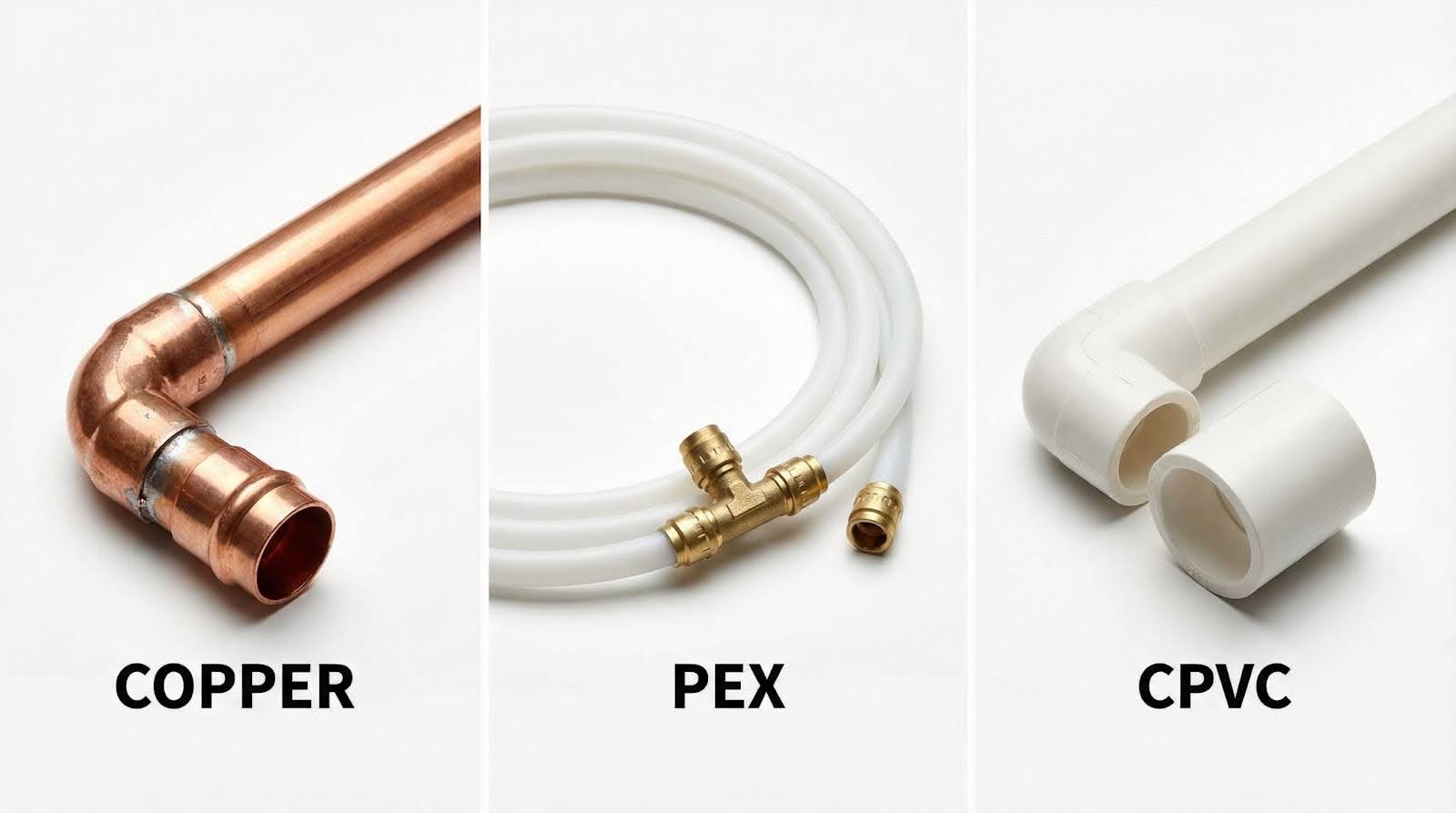
PEX (cross-linked polyethylene) has become increasingly popular for repiping projects. This flexible material resists corrosion, does not leach metals, handles temperature variations well, and often costs less to install than rigid piping.
Targeted pipe replacement addresses specific problem sections while leaving sound plumbing in place. This approach makes sense when corrosion damage is limited to certain areas of the system.
Water treatment systems can reduce contaminant levels but do not stop deteriorating pipes from continuing to degrade. Filtration works best as a complement to necessary plumbing repairs rather than a substitute.
Professional plumbers conduct thorough inspections to assess pipe condition throughout your home. This evaluation identifies pipe materials installed in each section, locations showing corrosion damage, and problem areas likely to fail in the near future.
Replacing old pipes represents a significant home improvement investment that protects both your family’s health and your property value. Modern plumbing materials provide decades of reliable service without the water quality concerns associated with aging systems.
Protect Your Home and Family with K L Contractor Plumbing Inc
For over 26 years, K L Contractor Plumbing Inc has helped Marietta homeowners solve water quality problems caused by aging plumbing. Our experienced technicians understand the unique challenges facing homes throughout Metro Atlanta and North Georgia.
We provide comprehensive services to address pipe corrosion and its effects on your water. These include complete water quality evaluations, expert pipe inspection using advanced diagnostic techniques, full repiping services, targeted repairs for isolated corrosion problems, and emergency response for sudden pipe failures.
Owner Konstantin and our team take pride in thorough, professional work that solves problems the first time. We explain findings clearly and recommend solutions that fit your home’s needs and your budget.
When old pipes water quality issues threaten your family’s health and home, K L Contractor Plumbing Inc provides the expertise to restore confidence in your water. Our licensed plumbers carry full insurance and stand behind every job with our 100% satisfaction guarantee.
Do not wait for discolored water or strange tastes to become serious problems. Contact K L Contractor Plumbing Inc today at 404-637-2796 for professional evaluation of your home’s plumbing system. We serve Marietta and all surrounding Metro Atlanta communities with 24/7 emergency availability when you need us most.
Your family deserves clean, safe water. Let our decades of experience work for you.
