Mastodon

K L Contractor Plumbing Inc

Drain Cleaning vs Sewer Repair: Which Service Do You Need?

Drain Cleaning vs Sewer Repair: Which Service Do You Need?

Contents

When water backs up in your sink or a foul odor fills your bathroom, it can be difficult to know whether you’re dealing with a simple clog or something more serious. Understanding the difference between drain cleaning and sewer line repair is essential for Marietta homeowners who want to protect their plumbing system and avoid unnecessary expenses.

These two services address very different problems within your home’s plumbing infrastructure. Drain cleaning typically involves surface-level debris removal from individual fixtures, while sewer line repair addresses damage to the main pipe that carries waste away from your entire property. Choosing the wrong solution can lead to recurring issues, wasted time, and potentially costly repair bills down the road.

K L Contractor Plumbing Inc helps Metro Atlanta homeowners navigate these decisions every day. This guide will explore both services, explain their key differences, and help you determine exactly which solution your situation requires.

Understanding Your Home’s Plumbing System

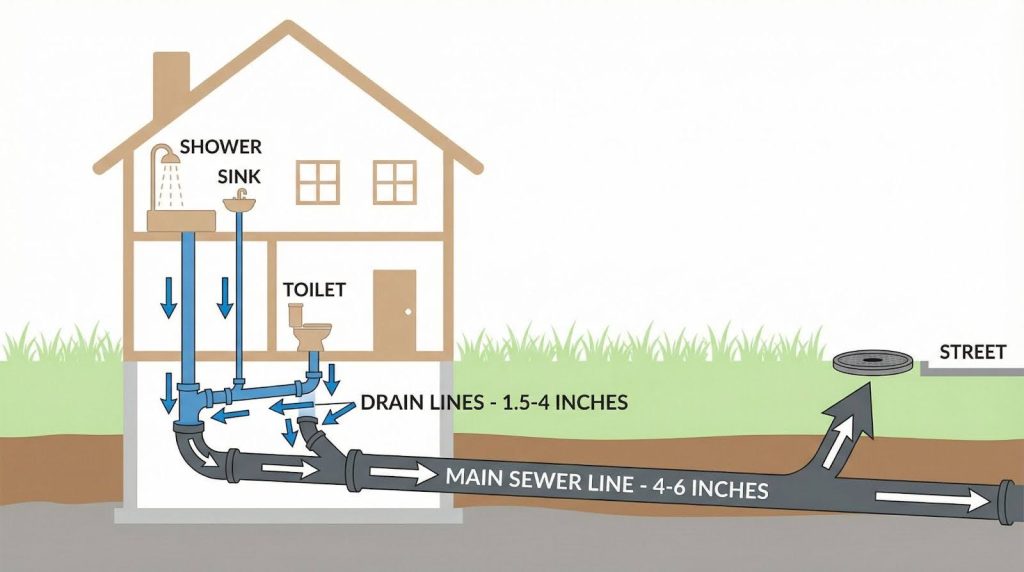
Before diving into the specifics of each service, it helps to understand how your plumbing system works. Your home contains two distinct drainage systems that work together to remove waste water.

Individual drains connect each fixture in your home, including sinks, showers, toilets, and appliances like washing machines and garbage disposal units. These drain lines typically range from 1.5 to 4 inches in diameter and carry water from specific locations to the larger sewer line.

The main sewer line serves as the central artery of your drainage system. This larger pipe, usually 4 to 6 inches in diameter, collects waste from all your home’s drains and carries it to the municipal sewer system or your septic tank. Problems in either system can cause backups, but the solutions differ significantly.

What Is Drain Cleaning?

Drain cleaning is a localized service that targets blockages within individual fixture drains. This service focuses on removing buildup and obstructions from specific pipes rather than addressing system-wide issues. Drain cleaning is localized by nature, meaning it addresses problems in one area without requiring work on your entire system.

Professional drain cleaning service uses specialized equipment to clear clogged drains and restore proper water flow. The process addresses problems at their source without affecting other parts of your plumbing system. It prevents clogs from worsening and keeps your fixtures functioning properly.
Common Methods Used in Drain Cleaning

Licensed plumbers employ several techniques when cleaning drain lines, selecting the most appropriate method based on the nature and location of the clog.

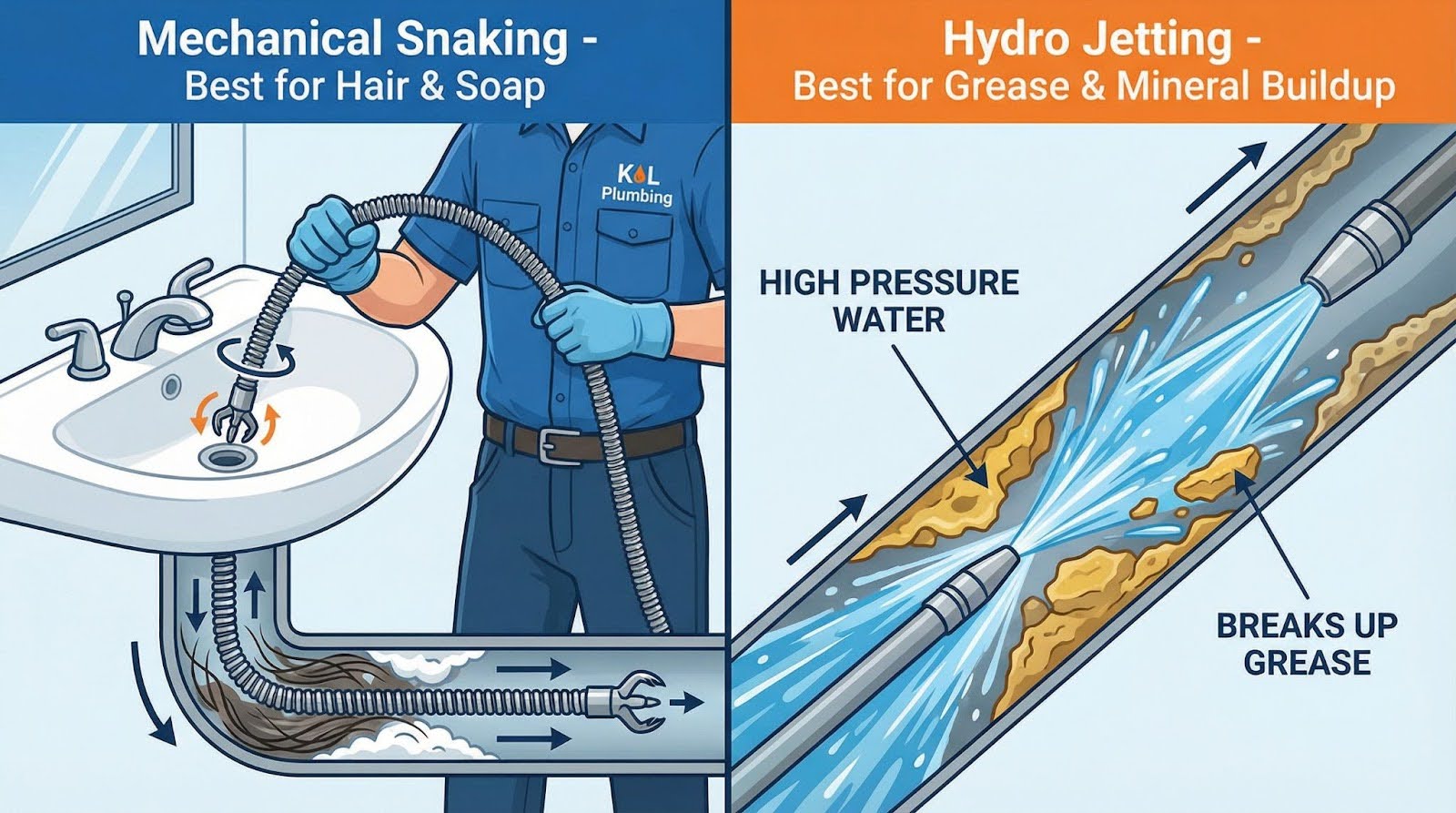
Mechanical snaking involves inserting a flexible metal cable with a cutting head into the drain. The cable rotates as it moves through the pipe, breaking apart clogs and pulling debris back out. This method works well for hair clogs, soap buildup, and minor organic obstructions.

Hydro jetting uses high-pressure water to scour pipe walls and blast away stubborn accumulations. This technique proves especially effective for grease buildup in kitchen drains and mineral deposits that accumulate over time.

Video inspection allows plumbers to see inside your pipes using a small camera attached to a flexible cable. This technology helps identify the exact nature and location of blockages before treatment begins.

What Drain Cleaning Addresses

This drain cleaning service resolves a specific range of problems related to individual fixture drains:

  • Hair accumulation in bathroom drains
  • Soap scum and mineral buildup
  • Food particles blocking kitchen sinks
  • Grease accumulation from cooking
  • Foreign objects accidentally dropped into drains
  • Minor tree root intrusion in older pipes

The process causes minimal disruption to your daily routine, and most jobs complete within an hour or two.

What Is Sewer Line Repair?

Sewer line repair addresses problems with the main sewer pipe that connects your home to the municipal sewer system or septic tank. This service involves more extensive work because the main sewer line handles waste from your entire property.

When your main sewer experiences damage or severe blockage, every drain in your home can be affected. The sewer line typically runs underground from your foundation to the property line, making repairs more complex than simple drain cleaning.
Types of Sewer Line Problems

Several conditions can damage your main sewer line and require professional sewer repair:

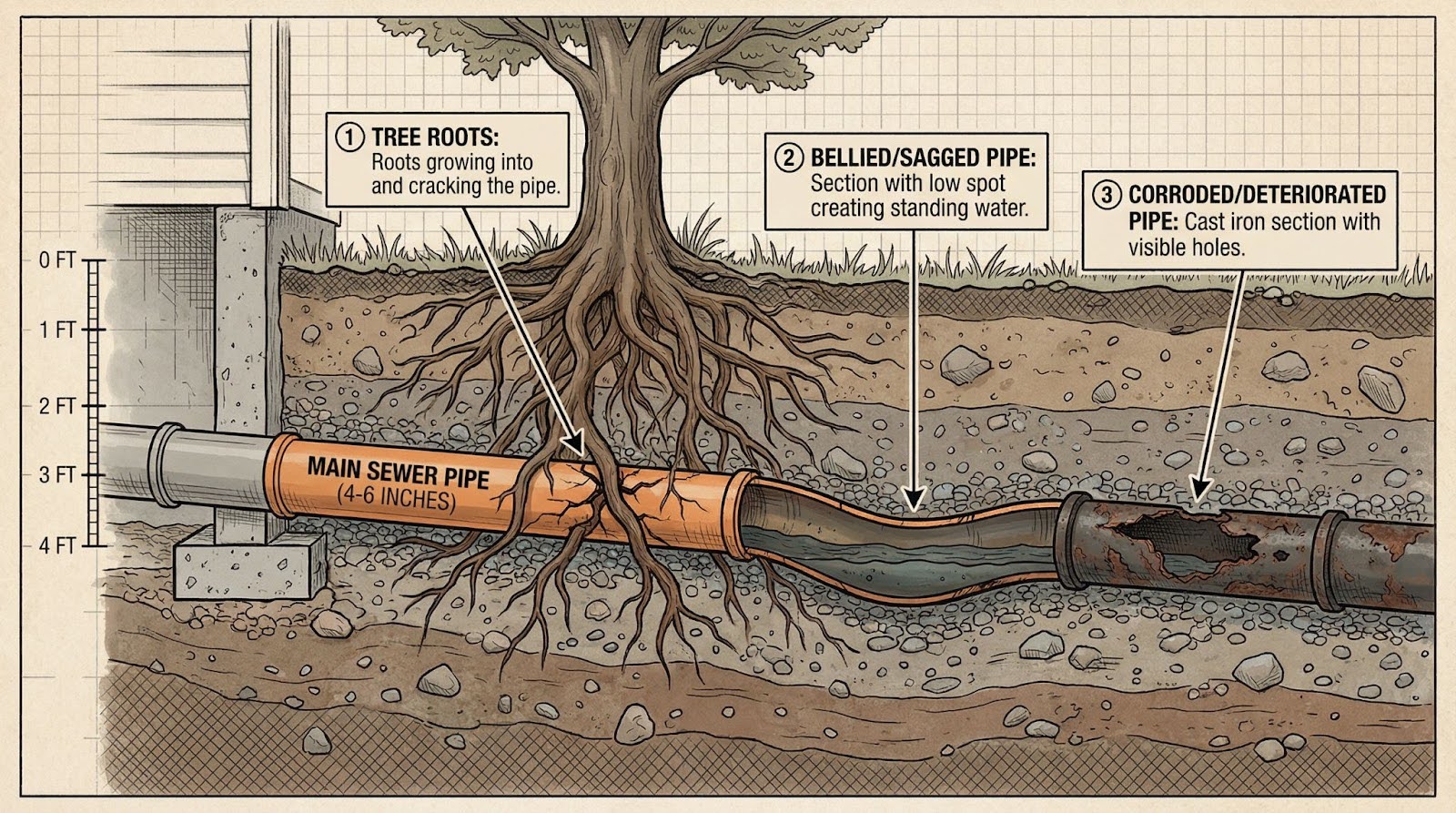
Tree root intrusion occurs when roots seek out moisture and nutrients inside sewer pipes. Roots can enter through tiny cracks and eventually grow large enough to completely block the pipe or cause it to collapse.

Pipe corrosion affects older homes with cast iron or galvanized steel sewer lines. Over decades, these materials deteriorate from the inside, creating rough surfaces that catch debris and eventually developing holes that cause sewer problems throughout your property.

Ground shifting can crack or misalign sewer pipes, especially in areas with expansive clay soils. Temperature changes and moisture fluctuations cause soil movement that stresses underground pipes.

Bellied pipes develop when a section of sewer line sinks due to soil conditions, creating a low spot where waste accumulates. This condition requires physical drain repair or replacement to restore proper flow.

Sewer Repair Methods

Modern plumbing technology offers several approaches to sewer line repair, ranging from minimally invasive to full excavation:

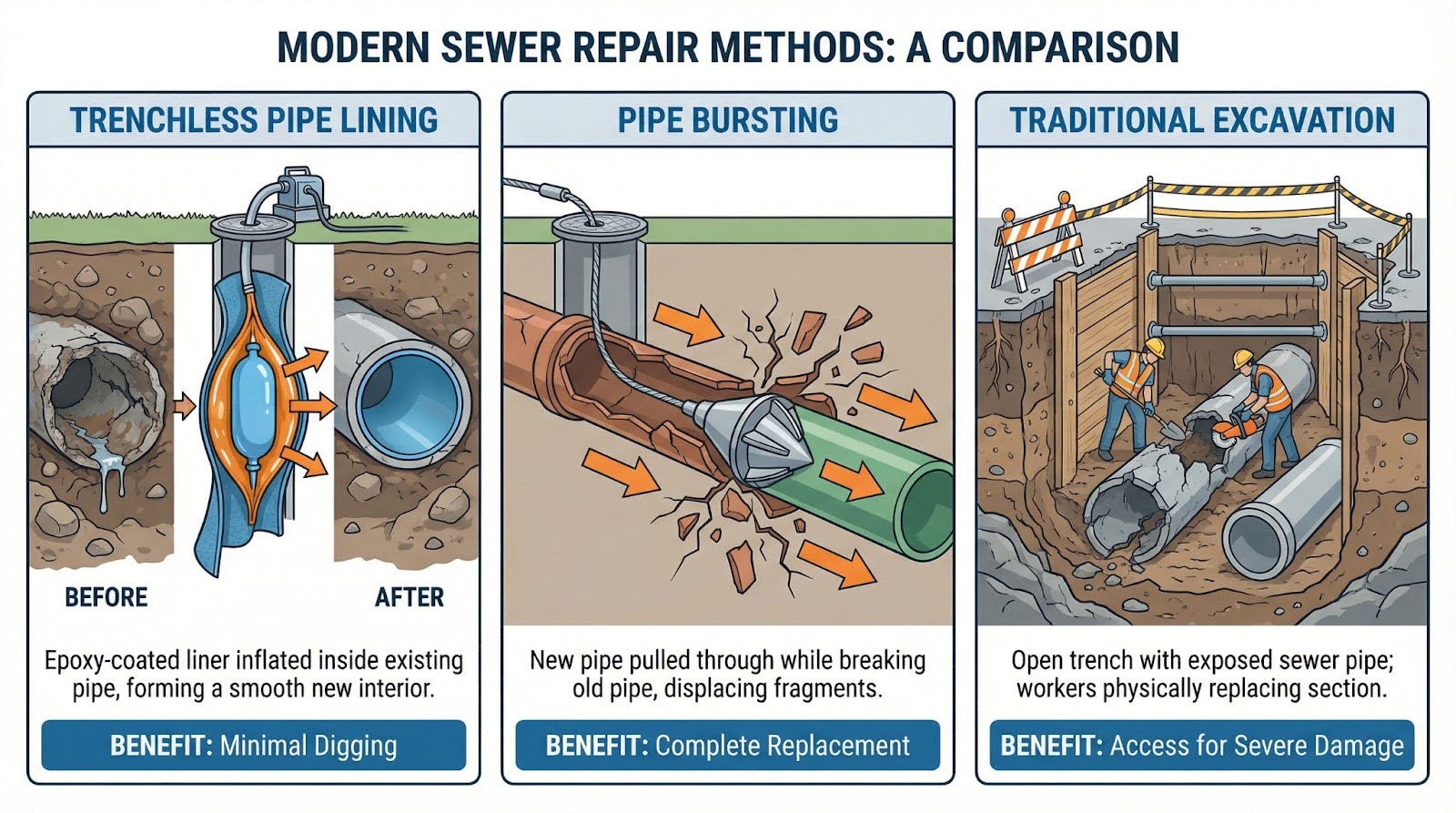
Pipe lining involves inserting a flexible liner coated with epoxy resin into the damaged sewer line. The liner inflates and cures in place, creating a new pipe within the old one. This trenchless method avoids extensive digging.

Pipe bursting replaces damaged sewer lines by pulling a new pipe through the old one while simultaneously breaking apart the existing pipe. This technique also minimizes excavation while providing a completely new sewer line.

Traditional excavation remains necessary for severely damaged or collapsed sewer lines. This method involves digging a trench to access the pipe, removing the damaged section, and completing new installation of replacement pipe.
Key Differences Between Drain Cleaning and Sewer Cleaning

Understanding the distinctions between these services helps you communicate effectively with your plumber and make informed decisions about your home’s plumbing maintenance. Here are the key differences every homeowner should know.

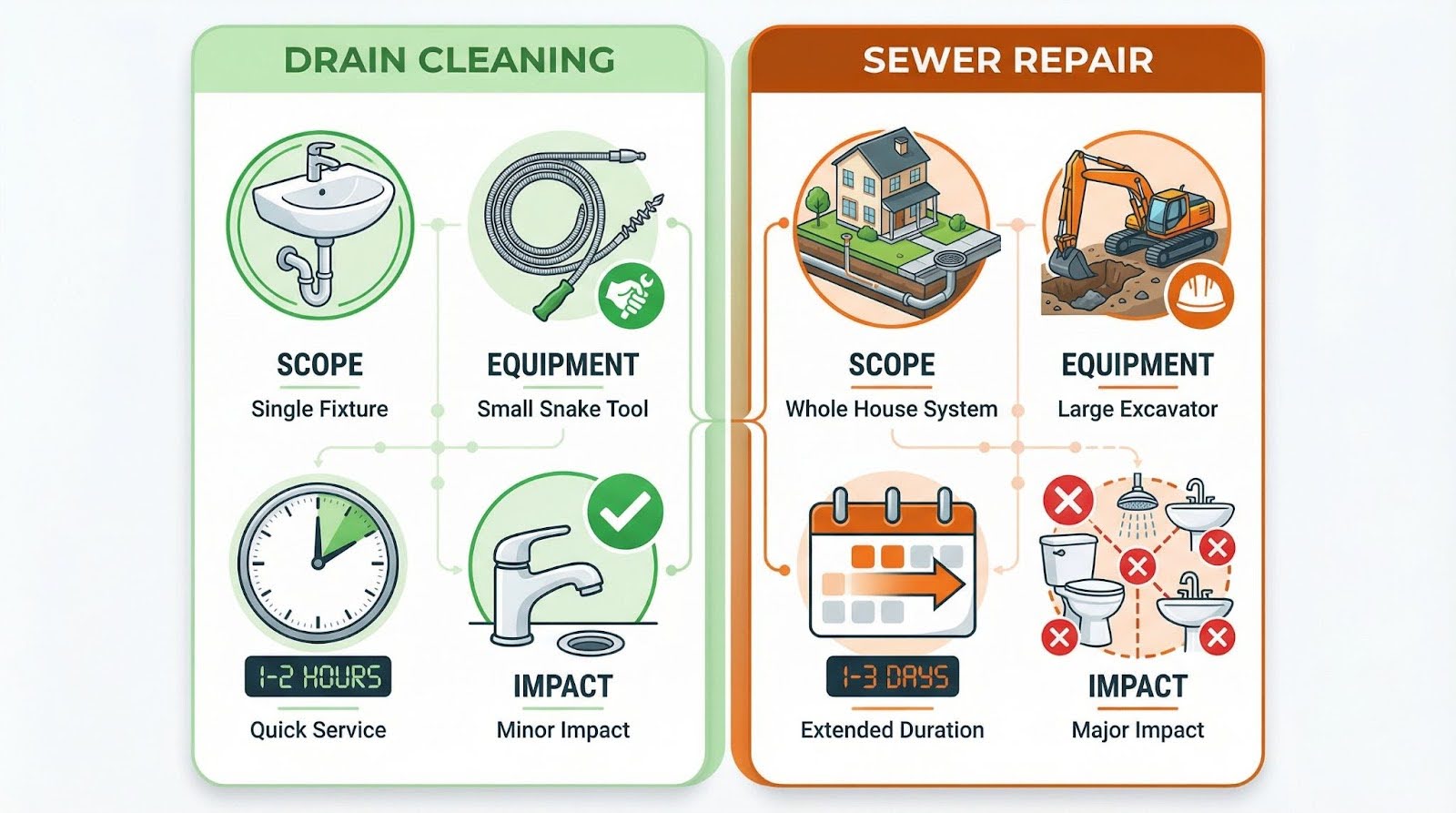
Scope of Work

Drain cleaning focuses on individual fixtures and the pipes directly connected to them. When you call for cleaning drain blockages, the plumber addresses a specific problem in a specific location.

Sewer cleaning focuses on the main line that serves your entire home. This work affects the system that all your drains eventually connect to, making it a more comprehensive service.

Equipment Requirements

Drain cleaning uses smaller equipment designed for pipes ranging from 1.5 to 4 inches in diameter. Standard drain snakes and smaller hydro jetting units handle most residential drain cleaning needs.

Sewer line cleaning and repair requires heavy-duty equipment capable of handling larger pipes and more significant obstructions. Industrial hydro jetting units, specialized cutting tools, and excavation equipment may all be necessary.

Time and Complexity

Most drain cleaning jobs complete quickly, often within 30 minutes to two hours depending on the severity of the clog. The work typically requires access to one fixture or cleanout.

Sewer line repair takes considerably longer. Even minimally invasive techniques require careful preparation, specialized equipment setup, and thorough inspection and testing. Traditional excavation repairs may take several days to complete.

Impact on Daily Life

Drain cleaning causes minimal disruption to your daily routine. You may need to avoid using one fixture briefly while the plumber works, but the rest of your plumbing system remains functional.

Sewer repair can temporarily affect your entire plumbing system. Major repairs may require you to make alternative arrangements for water use until the work is complete.
Signs You Need Drain Cleaning Service

Recognizing when a problem requires drain cleaning helps you address issues before they escalate. These symptoms typically indicate clogged drains that professional service can resolve.

Slow Drainage at Single Fixtures

When one sink, shower, or tub drains slowly while others function normally, you likely have a localized clog. The blockage exists somewhere between the fixture and the point where that plumbing drain joins larger pipes.

Watch for water pooling around your feet during showers or taking longer than usual to empty from sinks. These gradual changes often indicate buildup that will eventually become a complete blockage.

Gurgling Sounds from One Drain

Air trapped behind a partial blockage creates gurgling noises as water forces its way past the obstruction. If you hear these sounds from only one fixture, the problem likely exists in that specific drain line.

Unpleasant Odors from Specific Locations

Organic matter trapped in drains decompose and produce foul smells. If odors seem to come from one particular fixture, debris accumulation in that drain may be the cause.

Kitchen sinks often develop odors from grease and food particles, while bathroom drains may smell due to hair and soap buildup trapping bacteria.

Recurring Single Clogs

If you find yourself using a plunger frequently on the same fixture, professional drain cleaning can provide longer-lasting results. Repeated single clogs suggest buildup that home remedies only partially address.

Signs You Need Sewer Line Repair

Sewer problems present differently than individual drain issues. These warning signs indicate potential main sewer line damage that requires professional inspection and repair.

Multiple Fixtures Backing Up Simultaneously

When drains throughout your home experience problems at the same time, the issue likely exists in your main sewer line. Pay attention to connections between fixture use, such as water backing up in the bathtub when you flush the toilet.

This symptom indicates that waste cannot exit through the main sewer, causing it to back up into the lowest drains in your home and creating backups throughout your residential plumbing.

Sewage Backups in Floor Drains

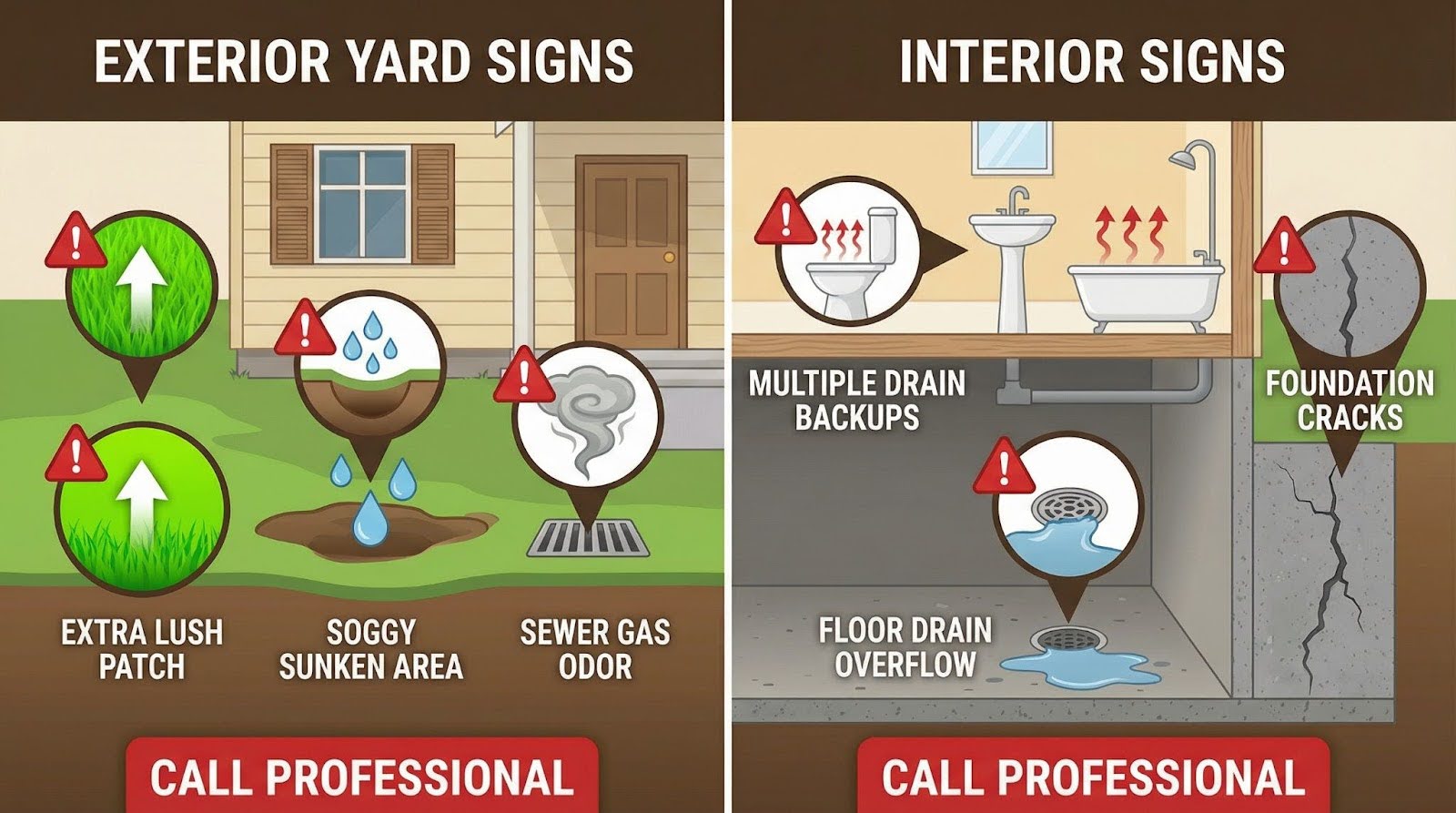
Floor drains in basements, laundry rooms, and garages connect directly to the main sewer line. When these drains overflow with sewage, you almost certainly have a sewer line blockage or damage.

Raw sewage backups present health hazards and require immediate professional attention. Do not attempt to clean up sewage without proper protective equipment.

Foul Odors Throughout Your Property

Pervasive sewer smells that seem to come from nowhere in particular often indicate sewer line cracks or breaks. Gases escape through damaged pipes and can enter your home through the soil or foundation.

If you notice sewer odors outside near your yard or driveway, the damage may exist in the portion of sewer line that runs underground across your property.

Unusual Yard Conditions

Your sewer line runs underground from your home to the property line. Damage to this pipe can cause visible changes in your landscape:

  • Unusually green or lush patches of grass directly above the sewer line
  • Soggy or sunken areas in the yard
  • Increased pest activity, particularly rodents
  • Persistent puddles that don’t dry after rain

Foundation Cracks or Settling

Severe sewer line leaks can erode soil around your foundation, leading to structural damage. If you notice new foundation cracks combined with plumbing symptoms, have both your sewer line and foundation inspected promptly.
How to Determine Which Service You Need

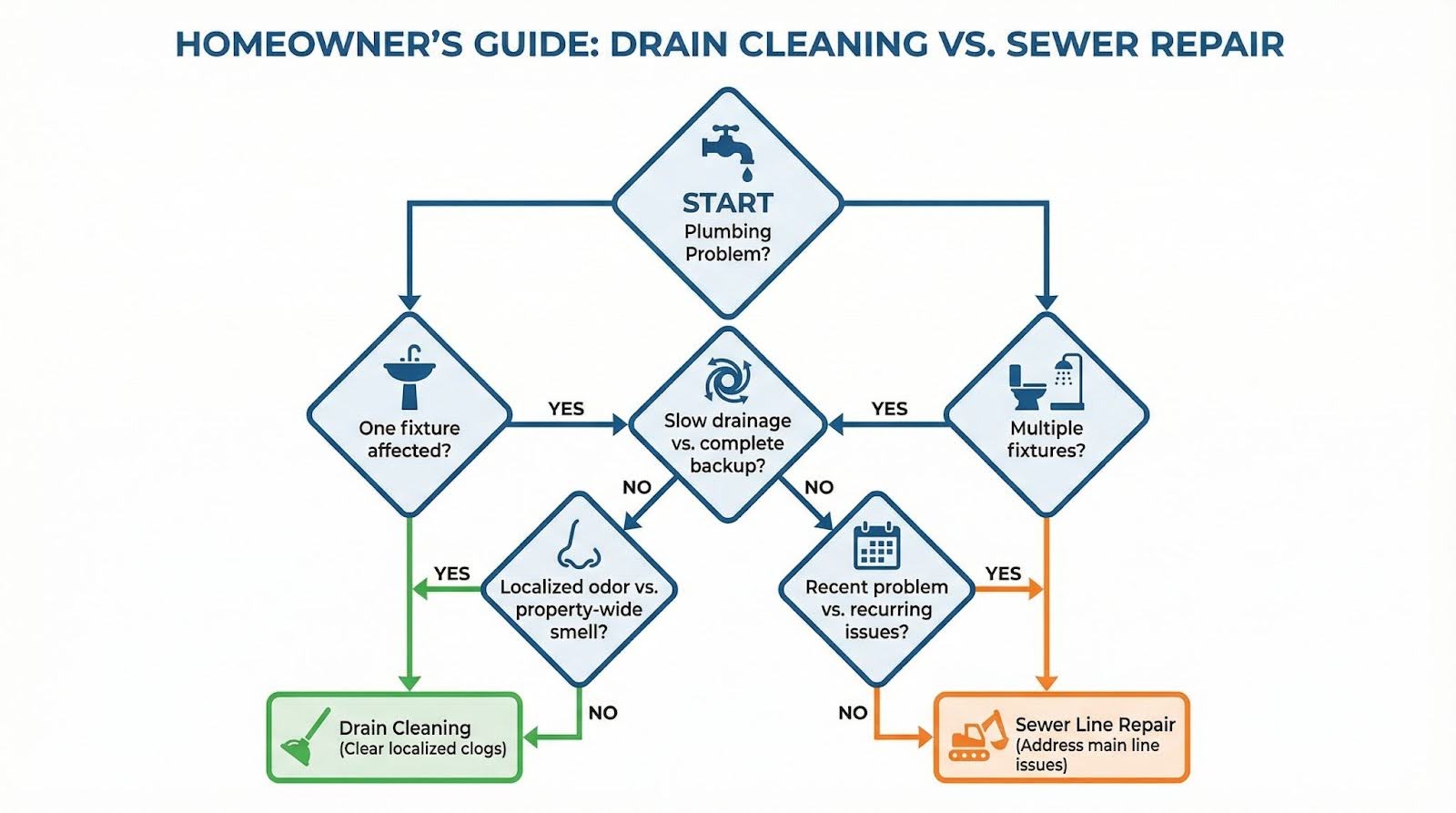
A systematic approach helps you identify whether drain cleaning or sewer repair will solve your problem. Start by gathering information about your symptoms before calling a plumber.

Test Multiple Fixtures

When you notice a drainage problem, check other fixtures in your home. Flush toilets, run sinks, and observe how water drains in different areas.

If only one fixture has problems, drain cleaning will likely resolve the issue. If multiple fixtures drain slowly or back up, especially on different floors or in different areas of your home, sewer line problems become more likely.

Note the Location of Problems

Problems in one room or adjacent rooms usually indicate drain line issues. A clogged bathroom sink might also affect the bathtub in the same bathroom since they often share drain pipes.

Problems that affect the entire house, or that manifest in areas far from each other, suggest main sewer line involvement.

Consider Your Home’s Age

Homes built before 1970 may have original cast iron or clay sewer lines that have reached the end of their service life. If you live in an older Marietta home and experience recurring sewer problems, pipe deterioration may be the underlying cause.

Newer homes with PVC sewer lines rarely experience pipe failure, though tree roots, ground shifting, and installation defects can still cause problems.

Observe Problem Patterns

Keep track of when problems occur. Sewer line issues often worsen during heavy rain as groundwater enters damaged pipes. Drain problems remain consistent regardless of weather.

Also note whether problems happen during specific activities. Issues that only occur when running the washing machine might indicate a problem with that specific drain line rather than the main sewer.

Professional Plumbing Pipe Inspection Services

When symptoms appear unclear or you want confirmation before proceeding with repairs, professional video inspection provides definitive answers.

Video Camera Inspection

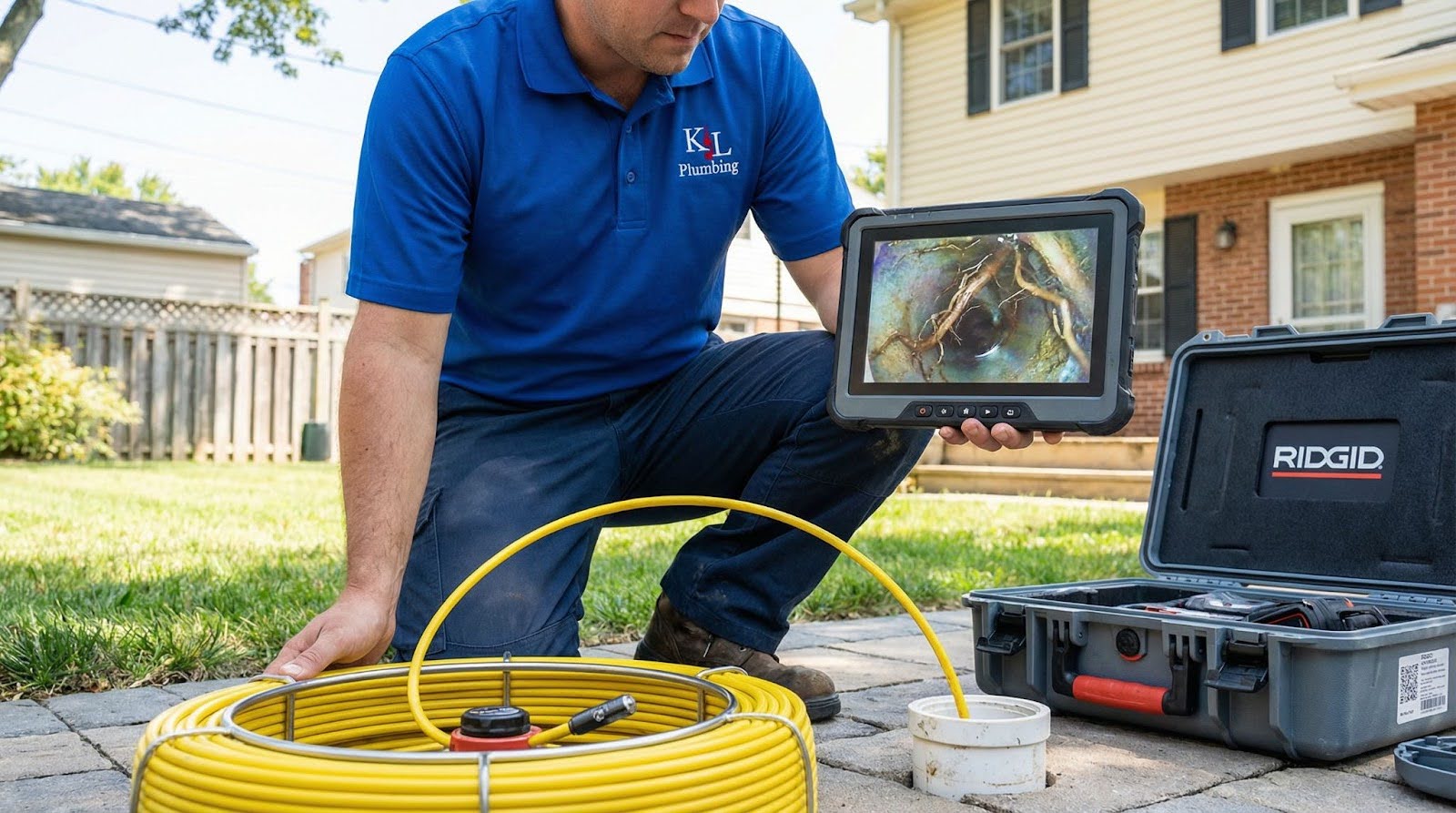
K L Contractor Plumbing Inc uses advanced camera technology to inspect both individual drains and main sewer lines. A small waterproof camera attached to a flexible cable travels through your pipes, transmitting real-time video to a monitor.

This inspection reveals the exact nature and location of problems, including:

  • Clog composition and severity
  • Pipe material and condition
  • Root intrusion extent
  • Cracks, breaks, or bellied sections
  • Buildup requiring line cleaning

Benefits of Professional Inspection

Video inspection eliminates guesswork and ensures you receive the right service for your situation. Rather than treating symptoms, your plumber can address the actual cause of problems.

Inspection also documents pipe conditions for future reference. If you’re buying or selling a home, sewer inspection provides valuable information about the plumbing system’s health.
When to Call a Professional Plumber

While minor clogs sometimes respond to home remedies, many situations require professional attention. Knowing when to call a plumber prevents small problems from becoming larger ones.

Skip the Chemical Drain Cleaners

Store-bought chemical drain cleaners rarely provide lasting results and can damage your pipes. These products work by generating heat to dissolve obstructions, but that heat can also weaken plastic pipes and corrode metal ones.

Professional plumbers use mechanical and water-based methods that clear clogs without risking pipe damage. The investment in professional services protects your plumbing system’s long-term health.

Address Problems Promptly

Plumbing problems rarely improve on their own. A slow drain today can become a complete blockage tomorrow. Sewer line cracks continue to grow and allow more root intrusion over time.

Early intervention typically means simpler, less invasive solutions. Waiting until problems become severe often results in more extensive and costly repair situations.

Choose Experienced Local Plumbers

K L Contractor Plumbing Inc brings over 26 years of experience to every plumbing drain and sewer service call. Our licensed technicians use professional diagnostic equipment to accurately identify problems before recommending solutions.

We serve Marietta and throughout Metro Atlanta with same-day appointments for urgent plumbing needs. Our team explains findings clearly and provides honest recommendations based on what your situation actually requires.

Preventive Maintenance Tips

Regular maintenance helps prevent both drain clogs and sewer line damage. These practices protect your plumbing system and reduce the likelihood of emergency service calls.

Protect Your Drains

Simple habits keep individual drains flowing freely:

  • Use drain screens to catch hair in bathroom drains
  • Never pour grease or cooking oil down kitchen drains
  • Run cold water when using your garbage disposal
  • Avoid flushing anything other than toilet paper
  • Clean drain stoppers regularly to remove hair and soap buildup

Schedule Regular Maintenance Inspections

Professional inspection can identify developing problems before they cause damage. Video sewer inspection reveals root intrusion, pipe deterioration, and bellied sections while repairs remain manageable.

K L Contractor Plumbing Inc recommends sewer line inspection for homes over 25 years old, properties with large trees near sewer lines, and any time you notice subtle changes in drainage performance.

Mind Your Landscaping

Tree roots naturally seek out moisture and nutrients, making sewer lines attractive targets. When planting new trees, maintain adequate distance from underground utilities.

Consider removing problematic trees whose roots repeatedly invade your sewer line. While root cutting provides temporary relief, the roots will return unless the trees are removed or the pipe receives replacement with root-resistant material.

For more information on proper plumbing system maintenance and what to do during emergencies, the Environmental Protection Agency provides guidelines for water conservation and leak detection that complement professional plumbing maintenance.

Know Your System

Understanding your plumbing system helps you spot problems early and communicate effectively with plumbers. Locate your main sewer cleanout, learn where your sewer line runs across your property, and know the age and material of your pipes if possible.

Making the Right Choice for Your Home

The difference between drain cleaning and sewer line repair comes down to scope, location, and severity. Drain cleaning addresses localized problems in individual fixture pipes. Sewer repair addresses damage or blockages in the main line that serves your entire plumbing system.

Both services play important roles in maintaining a healthy plumbing system. Regular drain cleaning prevents buildup from reaching your sewer line. Prompt sewer repair prevents waste backups and property damage when problems occur.

When symptoms appear, gather information about which fixtures are affected and how problems manifest. This information helps your plumber make an accurate diagnosis and recommend appropriate solutions.
Professional Drain and Sewer Services in Marietta

K L Contractor Plumbing Inc provides comprehensive drain cleaning and sewer line repair services throughout Marietta and Metro Atlanta. Our experienced team handles everything from routine drain maintenance to complex sewer line replacement.

We begin every service call with thorough diagnosis using professional inspection equipment. You receive clear explanations of what we find and honest recommendations for resolving problems. Our goal is providing the right solution for your specific situation, not selling services you don’t need.

For residential plumbing drain and sewer services you can trust, contact K L Contractor Plumbing Inc. Our 24/7 emergency response ensures help is available when urgent plumbing problems strike. Call 404-637-2796 to schedule an inspection or request service today.