K L Contractor Plumbing Inc

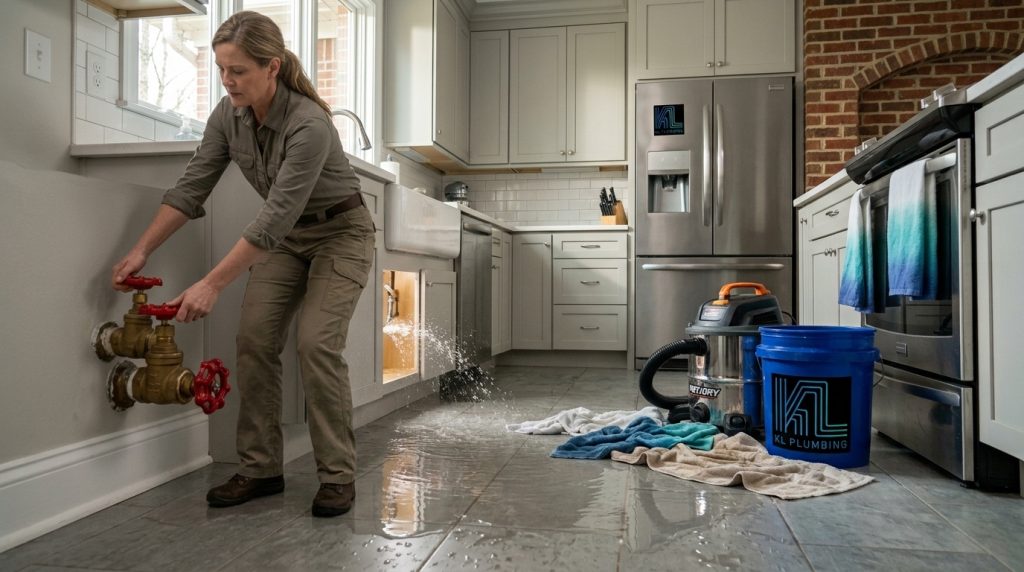
Homeowner_shutting_off_water

Emergency Plumbing: What to Do Before the Plumber Arrives

Homeowners often see a plumbing symptom before they understand the cause. Emergency Plumbing: What to Do Before the Plumber Arrives is therefore not a decision that should be made from one noise, one leak, or one bad day of performance. The practical first step is to document what changed, protect the property, and have the system diagnosed before approving a repair or replacement. KL Plumbing serves Metro Atlanta with guaranteed upfront pricing, so the scope and cost can be explained before work begins.

The short answer

During a plumbing emergency, stop the flow of water when it is safe, avoid electrical hazards, protect people and property, and call for emergency plumbing services.

Start with symptoms that can be verified

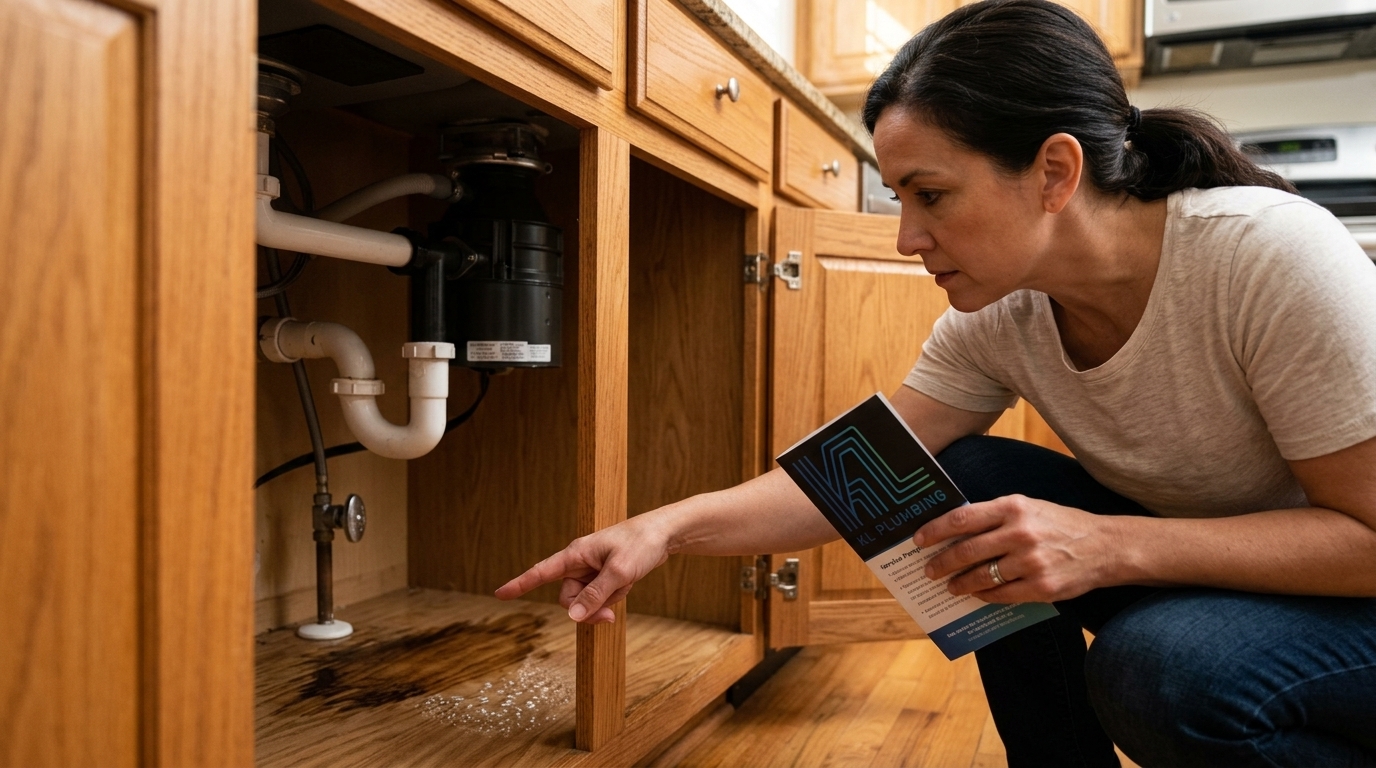
Write down when the problem began, whether it is constant or intermittent, which fixtures are affected, and whether there are changes in pressure, temperature, color, sound, odor, or utility use. Photos of moisture, corrosion, labels, and previous repair invoices can help the plumber understand the history without relying on memory.

What the diagnosis should separate

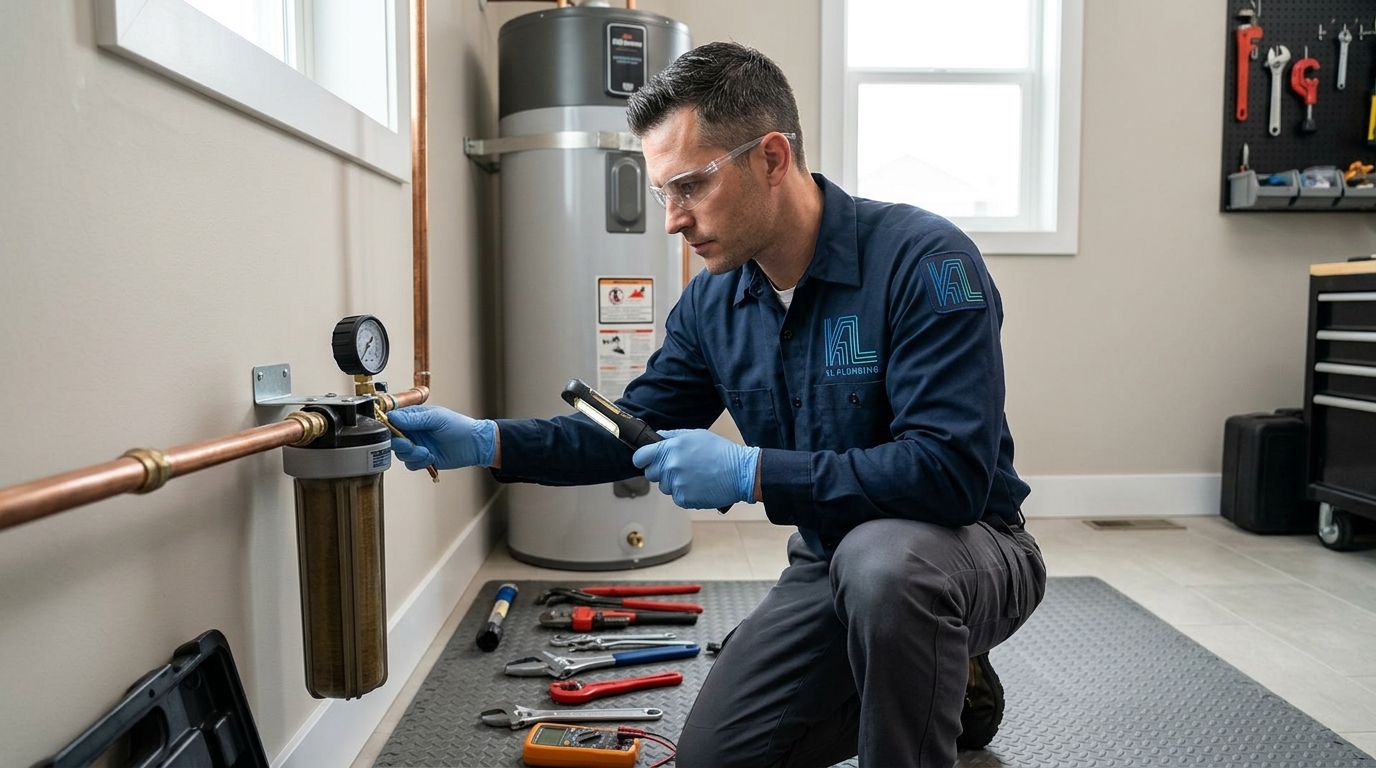
A good diagnosis distinguishes the visible symptom from the actual failure. No hot water can involve power, gas, controls, heating components, venting, connections, or the unit itself. Low pressure can involve valves, restrictions, supply piping, a leak, or pressure-control components. A recurring leak in one fitting is different from failures appearing throughout an older piping system.

Repair may make sense when

  • The problem is isolated and accessible.
  • The surrounding equipment or piping remains in serviceable condition.
  • The repair addresses the cause rather than only the symptom.
  • There is no pattern of repeated failure across the system.
  • The expected service life after repair justifies the cost and disruption.
Plumber_diagnosing_leaking_supply

Replacement deserves consideration when

  • Failures are recurring or appearing in multiple locations.
  • Corrosion, material condition, or tank deterioration is widespread.
  • The system no longer meets household demand.
  • Prior repairs have become a continuing expense.
  • A major repair would leave other known weaknesses untouched.

For water-heater-specific options, review KL Plumbing’s water heater repair and installation. For aging supply lines and repeated whole-home problems, the whole-house repiping page explains the larger replacement service.

What to do before the plumber arrives

  1. If water is actively escaping, close the nearest safe shutoff valve or the main water supply.
  2. Do not touch wet electrical equipment or enter water near an energized source.
  3. Move belongings away from active water when this can be done safely.
  4. Take photographs before cleanup, but never delay urgent safety steps for documentation.
  5. Collect equipment age, model information, prior repairs, and the timeline of symptoms.
  6. Keep children and pets away from the affected area.

Questions to ask before approving work

Ask what failed, what caused it, whether the recommendation is a targeted repair or a broader correction, what is included, what alternatives exist, and what should be monitored afterward. If more than one option is reasonable, ask how each option differs in expected life, disruption, and future risk.

Local considerations in Sandy Springs and Metro Atlanta

Housing age and plumbing materials vary across Metro Atlanta. Established homes may have systems that have been repaired or modified more than once. The plumber in Sandy Springs page explains plumbing support for that market and connects homeowners to related services without forcing every symptom into the same solution.
Homeowner_inspecting_moisture

Common mistakes to avoid

Do not assume a store-bought product, reset, or temporary patch proves the problem is solved. Do not keep operating equipment that is leaking, overheating, producing combustion concerns, or damaging surrounding materials. Do not approve a full replacement without understanding why a focused repair is insufficient—and do not keep funding isolated repairs when the evidence points to a failing system.

Frequently asked questions

Can a homeowner diagnose the cause from one symptom?

No. Symptoms narrow the possibilities, but inspection and testing are needed to identify the actual failure.

Does one leak mean the whole house needs repiping?

No. One accessible failure may be repairable. Repiping is a broader decision based on material, condition, history, and problems across the system.

Should a leaking water heater remain in service?

Active leakage should be evaluated promptly. If operation may increase damage or create a hazard, stop using the unit and follow safe shutoff guidance.

How can a homeowner prepare for an estimate?

Provide the symptom timeline, affected areas, photos, model information, prior work, and access to the relevant equipment or piping.

Get a clear recommendation before work begins

If you are dealing with emergency plumbing checklist in Metro Atlanta, GA, contact KL Plumbing for a diagnosis and guaranteed upfront pricing. For an urgent active failure, use the emergency plumbing services page to understand the next step.

Mastodon