Tank vs Tankless Water Heaters in Metro Atlanta: Costs, Pros, and Cons
Contents
- 1 Tank vs Tankless Water Heaters in Metro Atlanta: Costs, Pros, and Cons
- 1.1 How Tank Water Heaters Work
- 1.2 How Tankless Water Heaters Work
- 1.3 Comparing Upfront Costs: Tank vs Tankless
- 1.4 Long-Term Energy Savings Analysis
- 1.5 Lifespan and Durability Differences
- 1.6 Hot Water Output and Performance
- 1.7 Space Requirements and Installation Considerations
- 1.8 Climate Considerations for Metro Atlanta
- 1.9 Maintenance Requirements Compared
- 1.10 Making the Right Choice for Your Home
- 1.11 Energy Rebates and Incentives in Georgia
- 1.12 Frequently Asked Questions About Water Heaters
- 1.13 Professional Water Heater Installation in Marietta
- 1.14 Get Expert Guidance on Your Water Heater Decision
Choosing between a tankless vs tank water heater is one of the most important decisions Metro Atlanta homeowners face when their current unit starts showing signs of age. Both systems perform the same function—delivering hot water throughout your home—but they accomplish this task in fundamentally different ways.
Understanding these differences helps you make an informed decision that aligns with your household’s hot water demands, budget, and long-term energy goals. This guide breaks down everything Marietta and Metro Atlanta homeowners need to know before investing in a new water heater installation.
How Tank Water Heaters Work
Traditional storage tank water heaters have been the standard in American homes for over a century. These units store between 30 and 80 gallons of water in an insulated tank, continuously heating and maintaining that water at a preset temperature.
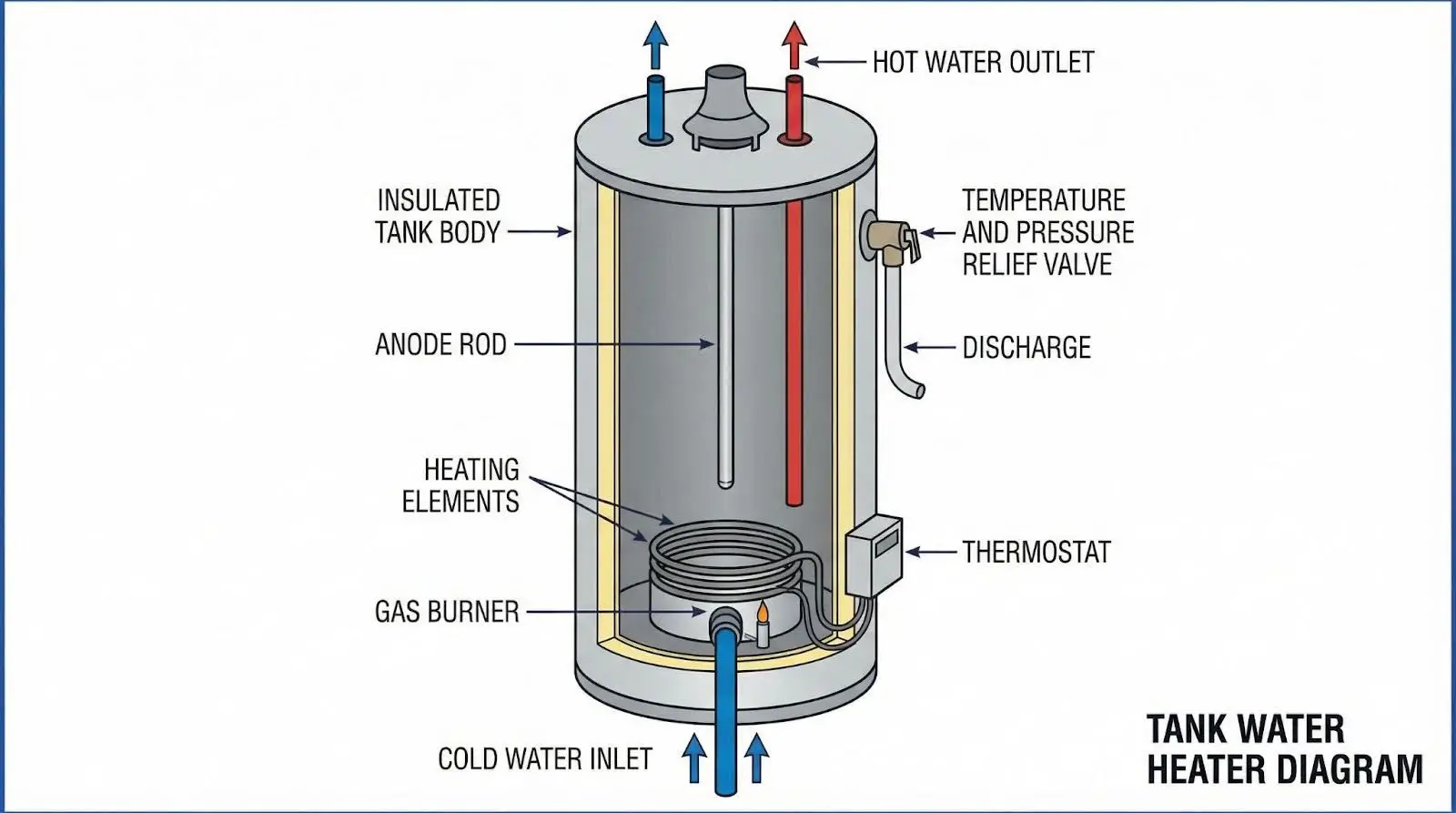
When you turn on a hot water faucet, preheated water flows from the top of the tank while cold water enters at the bottom to be heated. The heating element—either a gas burner or electric coils—cycles on and off throughout the day to maintain consistent temperatures.
This constant heating creates what industry professionals call “standby heat loss.” Your tank water heater works even when nobody is using hot water, which impacts your monthly energy bills.
How Tankless Water Heaters Work
Tankless water heaters take a completely different approach. Instead of storing heated water, these compact units heat water only when you need it. When you open a hot water tap, cold water travels through the unit where powerful gas burners or electric elements heat it instantly.
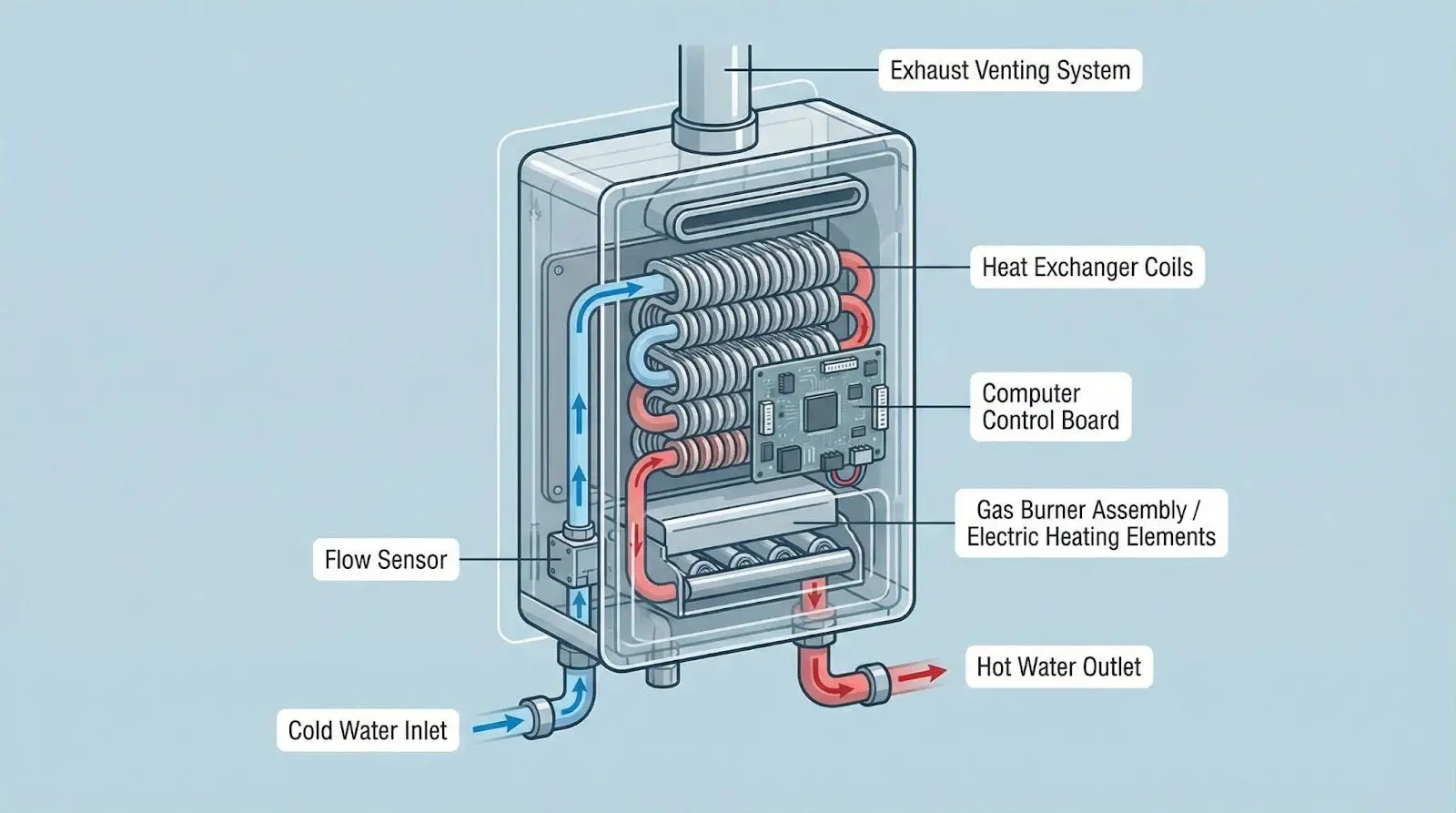
Tankless systems provide hot water on demand without the standby energy losses associated with storage tank models. The moment you close the tap, the unit stops heating, eliminating wasted energy between uses.
This on-demand approach means you’ll never run out of hot water during long showers or back-to-back laundry cycles—a significant advantage for busy Metro Atlanta households.
Comparing Upfront Costs: Tank vs Tankless
The initial investment represents the most significant difference between these two water heater types for most homeowners.
Storage Tank Water Heater Costs:
Tank water heaters have lower upfront costs across the board. Gas tank units cost more than electric tank models, but both remain significantly more affordable than tankless alternatives. Professional installation for tank units is straightforward since most homes already have the necessary infrastructure in place.
Tankless Water Heater Costs:
Gas-fired tankless units represent the highest initial investment, while electric tankless models fall between tank and gas tankless options. Professional installation costs run substantially higher for tankless systems due to additional requirements.
The higher water heater installation costs for tankless systems stem from additional requirements. Many Metro Atlanta homes need upgraded gas lines, new venting systems, or electrical panel upgrades to accommodate these units. Homes switching from tank to tankless often require the most extensive installation work.
Long-Term Energy Savings Analysis

While tankless water heaters cost more upfront, they typically consume less energy over their lifespan. Understanding these savings helps determine which option makes financial sense for your situation.
Energy Efficiency Ratings:
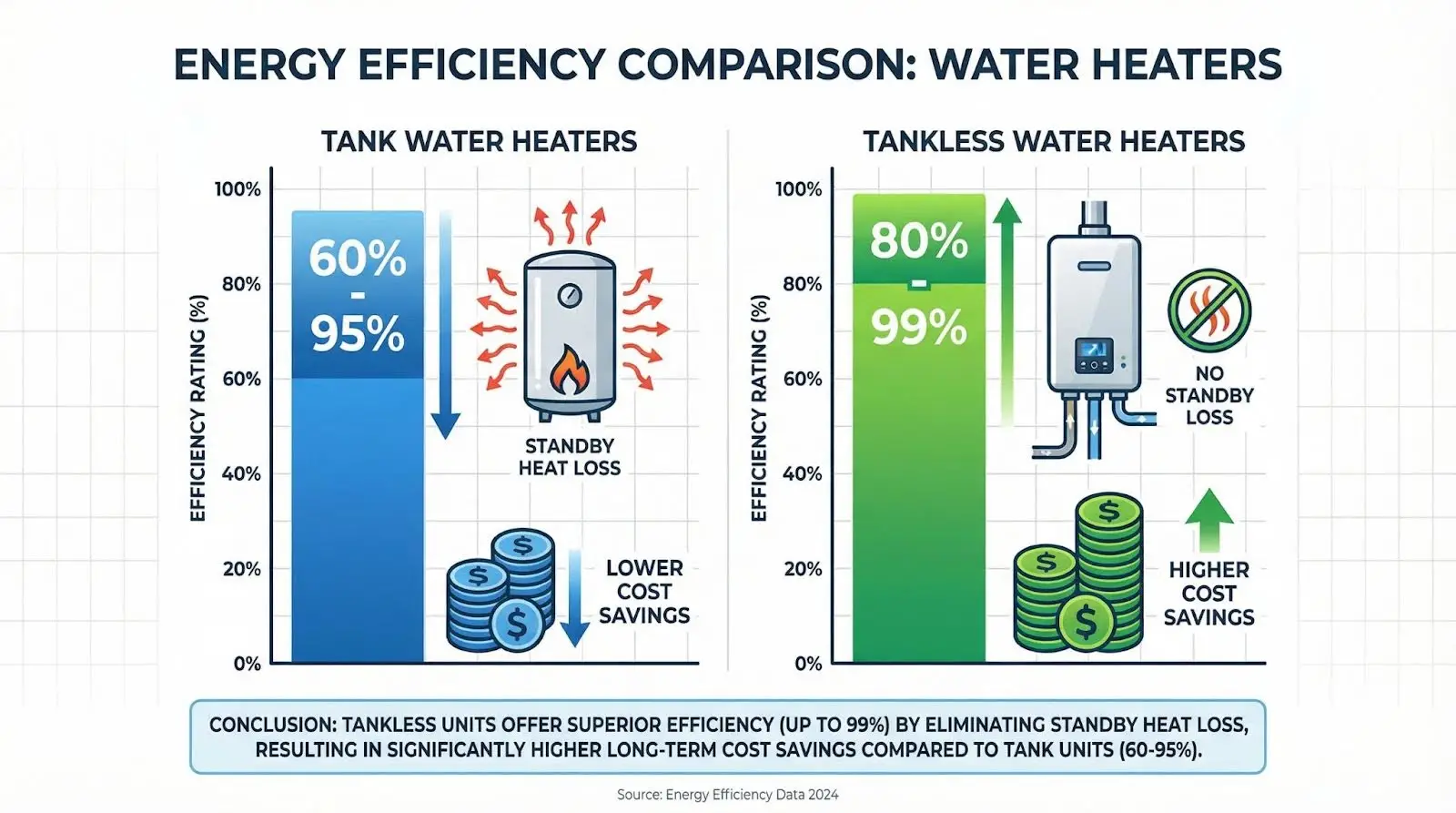
Storage tank water heaters average 60% to 70% efficiency for gas models and 90% to 95% for electric versions. Standby heat losses—energy wasted keeping stored water hot—typically account for 5% to 15% of total water heating energy, depending on tank insulation quality and ambient temperature.
Gas-fired tankless water heaters achieve 80% to 98% efficiency ratings. Electric tankless units reach 98% to 99% efficiency. Without standby losses, these ratings reflect actual performance more accurately.
Annual Operating Cost Comparison:
Water heating typically accounts for a significant portion of household energy expenses. A comparable tankless unit will use less energy than a traditional tank, typically reducing annual operating costs by 20% to 30%.
A tankless model will save money over time, but the payback period depends on your household’s hot water consumption, local energy costs, and whether you choose gas or electric.
Lifespan and Durability Differences
How long your water heater lasts significantly impacts the total cost of ownership.
Tank Water Heater Lifespan:
Traditional tank water heaters typically last 10 to 15 years with proper maintenance. Metro Atlanta’s water quality can accelerate sediment buildup, potentially shortening this lifespan without regular flushing. Tank water heaters perform reliably for most of their service life but tend to fail more suddenly when corrosion finally breaches the tank.
Tankless Water Heater Lifespan:
Tankless water heaters will typically last longer—20 to 25 years on average. Their modular design allows for component repair rather than full replacement when issues arise. Many homeowners find that tankless units require fewer emergency repairs over their extended service life.
This durability difference means a tankless system purchased today might outlast two conventional tank units, offsetting much of the initial price difference.
Hot Water Output and Performance
Your household’s hot water demands should heavily influence your decision between these technologies.
Tank Water Heater Performance:
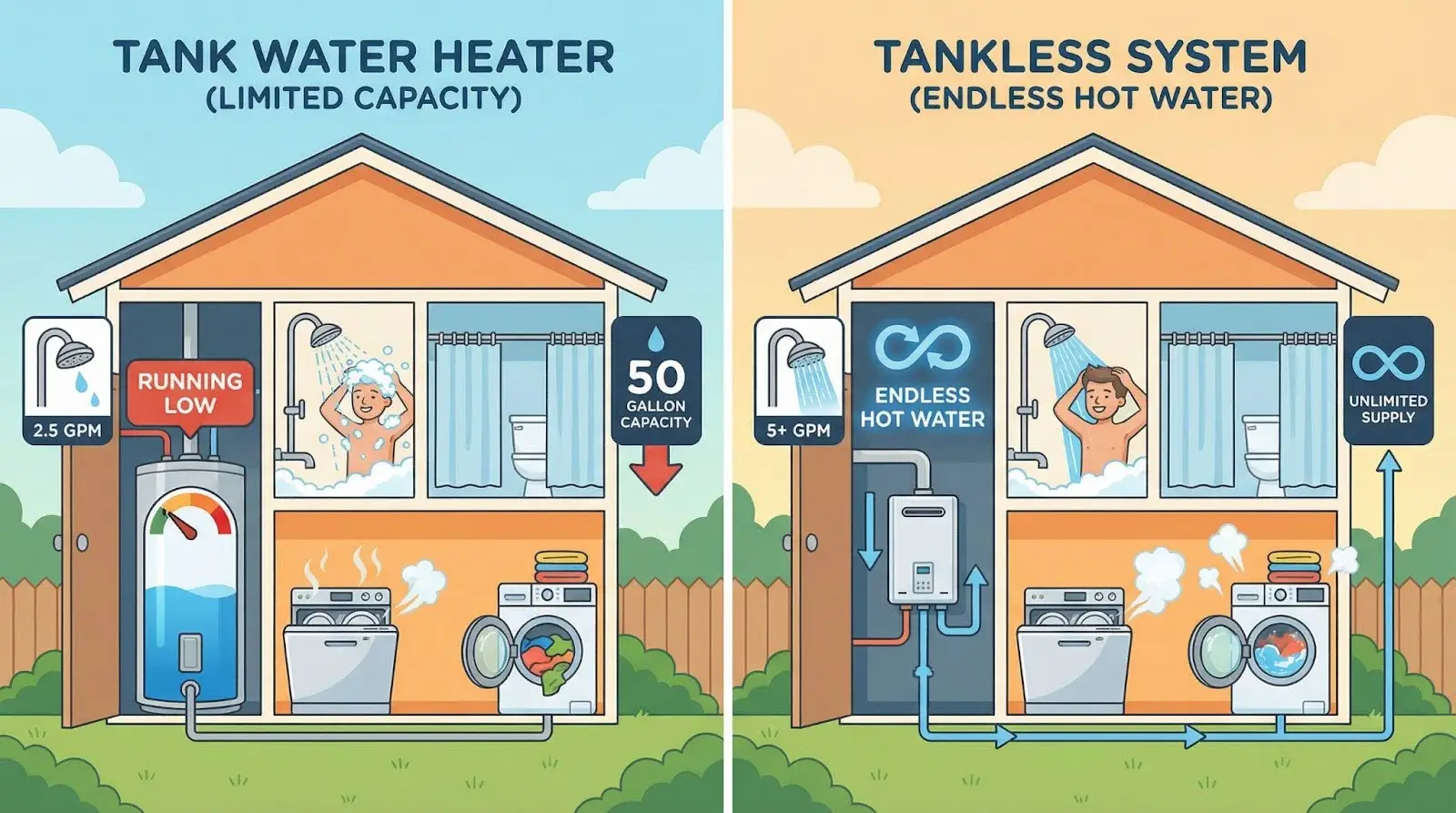
Storage water heaters provide a specific amount of hot water based on tank capacity. A 50-gallon tank delivers approximately 50 gallons before needing recovery time. Most gas tank units recover at 35 to 45 gallons per hour.
Large families in Marietta often struggle with tank units during high-demand periods. Running the dishwasher, doing laundry, and showering simultaneously can deplete even large tanks quickly.
Tankless Water Heater Performance:
Tankless units measure output in gallons per minute (GPM) rather than total capacity. Whole-home gas tankless systems typically deliver 8 to 11 GPM continuously, enough for multiple simultaneous applications.
However, tankless systems have flow rate limitations. Running too many fixtures simultaneously can overwhelm smaller units, resulting in lukewarm water. Proper sizing during installation prevents this issue.
Space Requirements and Installation Considerations
Physical space constraints influence many homeowner decisions in Metro Atlanta’s diverse housing stock.
Tank Water Heater Space Needs:
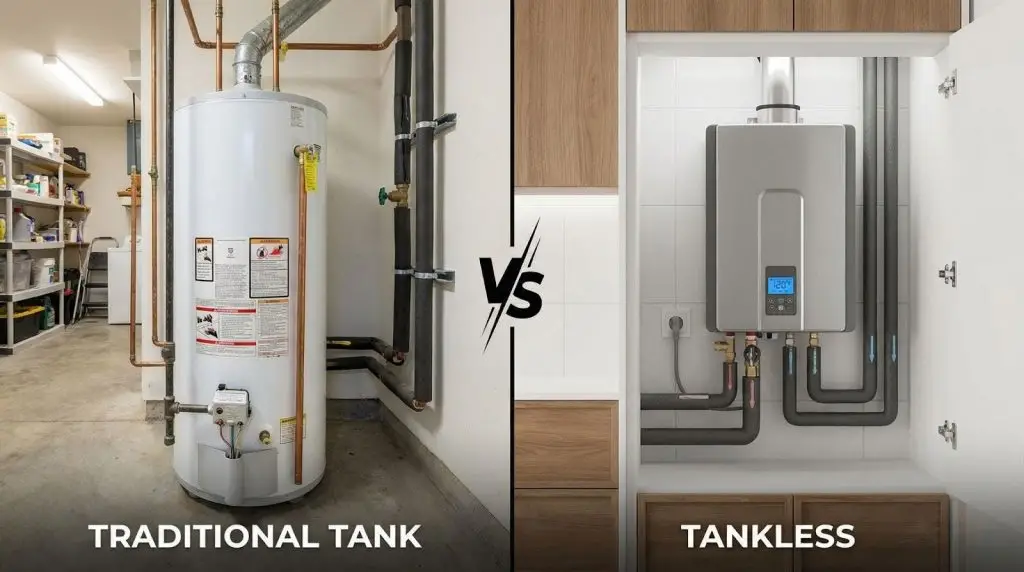
Traditional units occupy approximately 3 to 4 square feet of floor space based on typical 20 to 24-inch diameters. However, they also need 2 inches of clearance on all sides and at least 30 inches in front for maintenance access and service replacement. Most homes have designated water heater closets or garage installations designed for these dimensions.
Tankless Water Heater Space Needs:
Wall-mounted tankless units occupy minimal space—roughly the size of a small suitcase. This compact design frees up valuable floor space in garages, utility rooms, and closets. Some homeowners reclaim entire closets previously dedicated to bulky tank units.
Installation complexity varies significantly. Replacing an existing tank with a similar unit typically takes 2 to 4 hours. Converting from tank to tankless often requires a full day or more to address venting, gas line, or electrical upgrades.
Climate Considerations for Metro Atlanta
Georgia’s climate affects water heater performance in ways many homeowners don’t consider.
Incoming Water Temperature:
Metro Atlanta’s groundwater temperature averages 55°F to 65°F year-round—relatively warm compared to northern states. This moderate incoming temperature benefits tankless units, which must heat water to usable temperatures instantly.
Tankless water heaters in colder climates work harder to achieve the same temperature rise, reducing their efficiency advantage. Atlanta homeowners enjoy more of the advertised energy savings due to our warmer source water.
Freeze Protection:
Power outages during winter storms can affect both water heater types. Tankless units in unconditioned spaces (like exterior walls or unheated garages) require freeze protection features to prevent damage. Most quality tankless models include built-in freeze prevention, but this requires electrical power.
Maintenance Requirements Compared

Regular maintenance extends equipment life and maintains efficiency for both water heater types.
Tank Water Heater Maintenance:
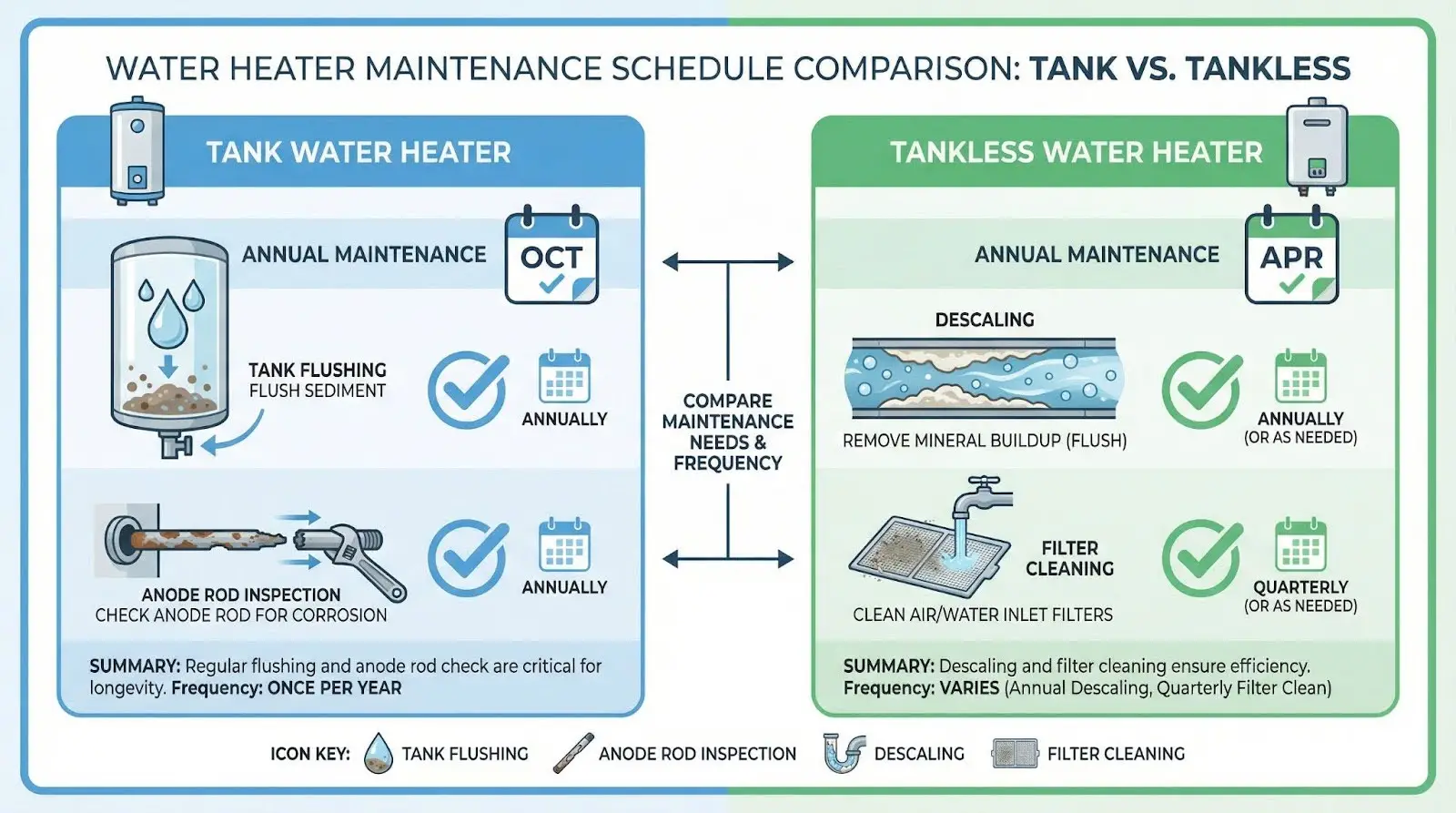
- Annual tank flushing to remove sediment
- Anode rod inspection every 2 to 3 years
- Temperature and pressure relief valve testing
- Thermostat calibration as needed
Metro Atlanta’s water contains minerals that accelerate sediment accumulation. Skipping annual flushes can reduce tank efficiency by 25% or more while shortening equipment life.
Tankless Water Heater Maintenance:
- Annual descaling to remove mineral buildup
- Inlet filter cleaning every 6 months
- Venting inspection for gas units
- Burner or element cleaning as needed
Tankless units in hard water areas require more frequent descaling. Many Metro Atlanta homeowners install water softeners to reduce maintenance frequency and protect their investment.
Making the Right Choice for Your Home
The best water heater choice depends on your specific circumstances. Consider these factors when deciding:
Choose a Tank Water Heater If:
- Budget constraints make lower upfront costs essential
- Your home’s infrastructure already supports tank units
- Hot water demands remain relatively consistent
- You prefer proven, familiar technology
- You plan to sell the home within 5 years
Choose a Tankless Water Heater If:
- Long-term energy savings justify higher initial costs
- Your household regularly runs out of hot water
- Space limitations make compact installation attractive
- You plan to stay in your home 10+ years
- Environmental efficiency matters to your family
Energy Rebates and Incentives in Georgia
Georgia homeowners can offset some water heater costs through available rebates and tax incentives. These programs change periodically, so verify current availability before purchasing.
Federal Tax Credits:
The Inflation Reduction Act provides tax credits for energy-efficient water heater installations. Heat pump water heaters qualify for significant credits, while high-efficiency gas tankless units may qualify for smaller credits. Consult a tax professional for current eligibility requirements and credit amounts.
Utility Company Rebates:
Georgia Power and various natural gas providers occasionally offer rebates for installing energy-efficient appliances. These programs typically require specific efficiency ratings and professional installation documentation.
Georgia Environmental Finance Authority:
GEFA offers financing programs for energy-efficient home improvements, potentially including water heater replacement. Low-interest loans make tankless upgrades more accessible for budget-conscious homeowners.
For the most current information on energy-efficient water heater incentives and rebates, visit the U.S. Department of Energy’s Water Heating page.
Frequently Asked Questions About Water Heaters
How much does it cost to switch from tank to tankless?
Converting from a storage tank to tankless water heater involves higher costs than a standard tank replacement. The total investment includes the tankless unit itself plus installation labor. Additional costs may apply if your home needs gas line upgrades, new venting, or electrical panel modifications. Contact a licensed plumber for an accurate estimate based on your home’s specific requirements.
Can a tankless water heater supply a whole house?
Yes, properly sized whole-home tankless units can supply hot water to an entire house. Gas-fired tankless water heaters with 10+ GPM ratings handle multiple simultaneous applications in most homes. Electric tankless units work better as point-of-use solutions or in smaller households.
Do tankless water heaters require special maintenance?
Tankless water heaters require annual descaling to remove mineral buildup, especially in areas with hard water. This maintenance helps maintain efficiency while preventing premature component failure. Professional descaling is recommended to ensure thorough cleaning without damaging internal components.
Which water heater type is more reliable?
Both types offer reliable performance when properly installed and maintained. Tank water heaters have fewer electronic components and simpler repair needs. Tankless units experience fewer catastrophic failures but may require more technical repair service when problems occur.
How long does water heater installation take?
Standard tank water heater replacement takes 2 to 4 hours. Tankless installation typically requires 4 to 8 hours for straightforward installations. Converting from tank to tankless may take a full day or longer depending on required infrastructure upgrades.
Professional Water Heater Installation in Marietta
Proper installation determines how well any water heater performs regardless of type. Incorrect sizing, improper venting, or inadequate gas line capacity can compromise efficiency, safety, and longevity.
K L Contractor Plumbing Inc has served Marietta and Metro Atlanta homeowners for over 26 years, installing both tank and tankless water heaters across Cobb County and surrounding areas. Our licensed plumbers assess your home’s specific requirements, recommend appropriately sized equipment, and ensure code-compliant installation.
Whether you choose traditional tank reliability or tankless efficiency, professional water heater installation makes the difference between equipment that struggles and equipment that delivers years of trouble-free service.
Get Expert Guidance on Your Water Heater Decision
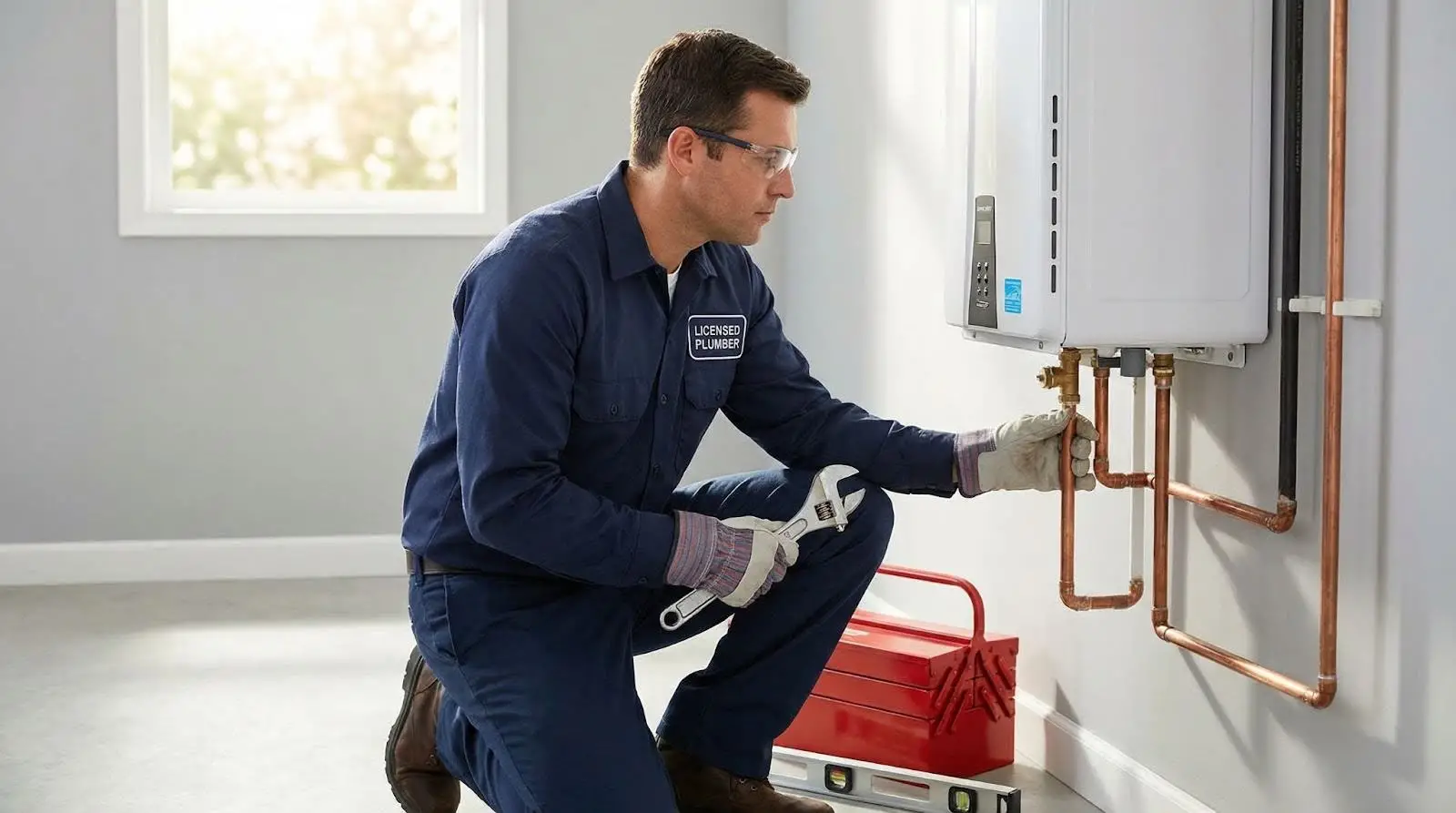
Still unsure which water heater type fits your needs? K L Contractor Plumbing Inc offers free consultations to help Metro Atlanta homeowners make informed decisions. Our team evaluates your household’s hot water demands, inspects your current infrastructure, and provides honest recommendations—never pushing unnecessary upgrades.
Contact K L Contractor Plumbing Inc at 404-637-2796 to schedule your water heater consultation. We serve Marietta, Kennesaw, Smyrna, Roswell, Sandy Springs, and all of Metro Atlanta with 24/7 emergency service and upfront pricing.