
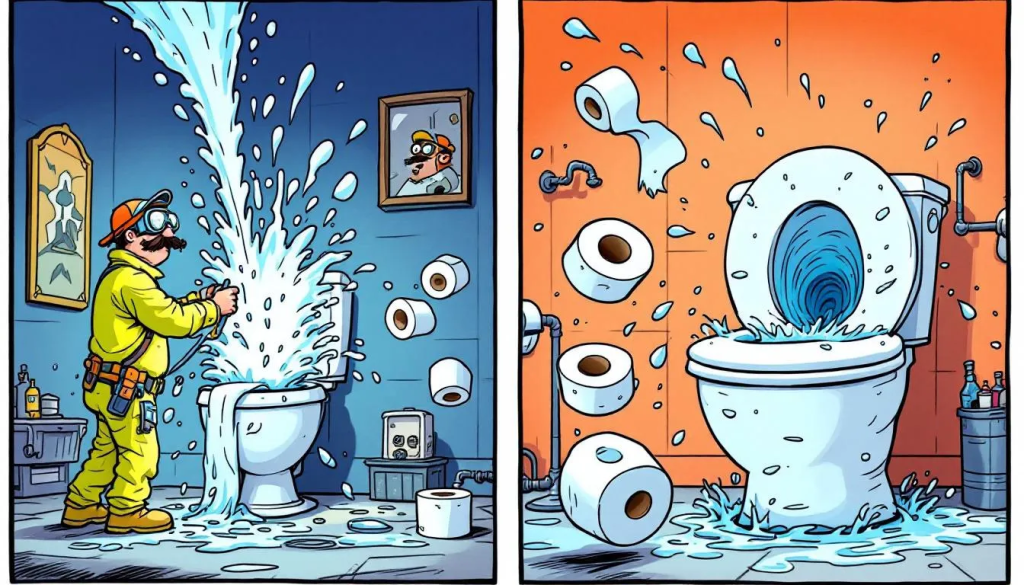
A toilet that runs between flushes, leaks onto the floor, or clogs repeatedly needs a diagnosis before you decide to replace it. A worn tank part may be repairable. A cracked fixture, damaged mounting connection, or recurring drain problem calls for a different solution.
K L Contractor Plumbing Inc. provides toilet repair, installation, and replacement in Marietta for homes and businesses. This guide explains what to watch for, when to stop using the toilet, and what to ask before approving work.
The quick answer: repair or replace?
- Repair may make sense when the porcelain is sound and the problem is limited to a serviceable part, such as the fill valve, flush mechanism, or supply connection.
- Replacement deserves consideration when the tank or bowl is cracked, compatible parts are difficult to obtain, repairs keep recurring, or the fixture no longer suits the household.
- Check the drain first when several fixtures back up. A new toilet will not fix a blockage farther down the drainage system.
What your toilet’s symptoms can tell you

The toilet keeps running
If you hear water moving long after a flush, water may be escaping from the tank into the bowl, or the fill mechanism may not be shutting off correctly. A worn seal, poorly adjusted mechanism, or incompatible replacement part can contribute to the problem.
Notice whether the toilet runs continuously or briefly refills when nobody has used it. That pattern helps the plumber choose what to inspect. Read our guide to why a toilet keeps running for more about this specific symptom.
Water appears around the base
A wet floor does not identify the source by itself. Water may come from a supply connection, tank connection, condensation, a crack, or the seal beneath the toilet. Note whether moisture appears during flushing, while the tank refills, or when the toilet has not been used.
Stop using a toilet that leaks during flushing. Water escaping beneath the fixture can reach flooring and the subfloor before the full extent of the damage becomes visible. Do not simply cover the wet area with caulk and assume the leak is repaired.
The toilet rocks or shifts
A toilet should sit securely. Movement can involve its mounting bolts, the flange that connects it to the drain, an uneven surface, or damaged flooring. Tightening bolts without identifying the cause can crack porcelain or leave the underlying problem unresolved.
Clogs keep returning
A single blockage and a repeating blockage are different problems. Tell the plumber how often it happens, what has already been tried, and whether other drains are affected. Avoid repeated flushing when the bowl is slow to empty or the water is rising.
If flushing the toilet makes water appear in a tub or shower, the problem may involve a shared drain. Our guide to a bathroom drain backing up into the bathtub explains why symptoms at more than one fixture matter.
When a toilet problem needs urgent attention

An overflowing bowl, sewage entering the room, an active supply leak, or water reaching electrical equipment requires prompt attention. Stop flushing and keep people and pets away from contaminated water.
If the toilet’s shutoff valve is accessible and turns normally, close it to stop fresh water entering the tank. Do not force a stuck or corroded valve. Closing that valve will not stop sewage backing up from a blocked shared drain. If multiple fixtures are backing up, stop using water in the affected area and call for help.
K L Contractor Plumbing advertises 24-hour emergency plumbing service. Call 404-637-2796, describe what is happening, and ask about the next available response. For broader warning signs, see our guide to plumbing emergency situations.
When repairing the existing toilet makes sense
Repair is worth considering when the toilet is otherwise in good condition and the fault is isolated. Replacing a worn fill valve or restoring a properly fitted flush mechanism can address a running toilet without replacing the entire fixture.
The useful question is not simply, “Can you replace this part?” Ask whether that repair addresses the observed problem and whether the rest of the fixture and its connections are sound.
- Is the source of the leak or poor flush confirmed?
- Are the replacement components suitable for this model?
- Are the supply valve and connector in usable condition?
- Is the toilet secure, with no signs of damage beneath it?
- Have previous repairs failed for the same reason?
A clear diagnosis helps you compare the cost and likely usefulness of a repair with replacement. It also reduces the chance of paying for a new fixture when the actual problem is in the drain.
When to consider toilet replacement

Replacement may be appropriate for a cracked tank or bowl, an unreliable fixture with repeated repair needs, or a toilet that no longer fits the household’s needs. Water use, seat height, bowl shape, and ease of cleaning can also matter.
Do not assume that every new toilet will fit the existing space. Before buying, confirm the rough-in measurement, available clearance, supply connection, and condition of the mounting flange. A damaged flange or floor can change the installation scope.
K L Contractor Plumbing’s installation services include standard two-piece, one-piece, dual-flush, high-efficiency, and comfort-height toilets. Discuss the model and installation requirements before ordering a fixture. For a business restroom, explain the building’s use and any accessibility requirements so those needs can be assessed.
What a toilet installation should include
A successful installation involves more than setting a new toilet over the drain. Ask the plumber to explain the scope, including:
- Removing the existing fixture and inspecting the exposed connection.
- Checking the flange, mounting surface, and any visible water damage.
- Confirming that the replacement fits the space and plumbing connection.
- Installing the appropriate seal and securing the toilet without movement.
- Connecting the water supply and testing the fill and flush operation.
- Checking for leaks at the supply, tank, and base after installation.
Ask whether removal of the old toilet, supply parts, flange repairs, and any necessary floor work are included. Those details make estimates easier to compare and prevent misunderstandings on installation day.
What affects the cost in Marietta?

The price depends on the diagnosis and the work required. A tank-component repair is a different job from replacing a fixture over a damaged flange or investigating a shared sewer blockage.
- Repair scope: the failed part, fixture model, and access to the problem.
- Replacement choice: the toilet model and any additional installation requirements.
- Existing conditions: a stuck shutoff valve, damaged connector, loose flange, or deteriorated flooring.
- Drain condition: whether a blockage must be diagnosed and cleared separately.
- Scheduling: whether the work is planned or an emergency call.
K L Contractor Plumbing offers upfront pricing. Ask for the diagnosis, proposed work, and included materials before approving the job. A fixed price quoted without knowing the fixture and site conditions may not describe the work your bathroom needs.
What to tell the plumber when you call
Have the property address, toilet brand or model if known, and a brief description of the symptom ready. Photos of the fixture and visible water can help explain the situation, but do not enter an unsafe or contaminated area to take them.
Mention whether this is the property’s only usable toilet, whether the problem began suddenly, and whether a sink, tub, or shower is also draining slowly. For a condo or shared building, explain where the leak is occurring and notify building management when other units or shared plumbing may be affected.
Frequently asked questions

Does a running toilet always need replacement?
No. A running toilet may have a repairable tank-component problem. The right choice depends on the diagnosis, the condition of the fixture, and its repair history.
Will a new toilet fix repeated clogs?
Only if the toilet itself is the cause. A blockage or defect farther down the drain can remain after the fixture is replaced. Recurring clogs deserve diagnosis first.
Is water around the base always a failed toilet seal?
No. Water can travel down from a tank or supply connection, and other conditions can produce moisture. The source should be identified before deciding which part to replace.
Can I use the toilet if it moves when I sit down?
Arrange an inspection and avoid continued use when the toilet moves or leaks. Movement can compromise the connection beneath the fixture. Do not assume that tightening the bolts is the complete repair.
Should I buy the replacement toilet before calling?
Confirm fit and installation requirements first. The plumber can help identify the measurements and existing conditions that affect your choice, whether you plan to supply the fixture or ask about available options.
Get toilet repair or installation help in Marietta
K L Contractor Plumbing Inc. serves Marietta and surrounding Metro Atlanta communities with residential and commercial plumbing services. Call 404-637-2796 or request service online. Tell the team whether you have an active leak, an unusable toilet, or a planned replacement so they can discuss the appropriate next step.